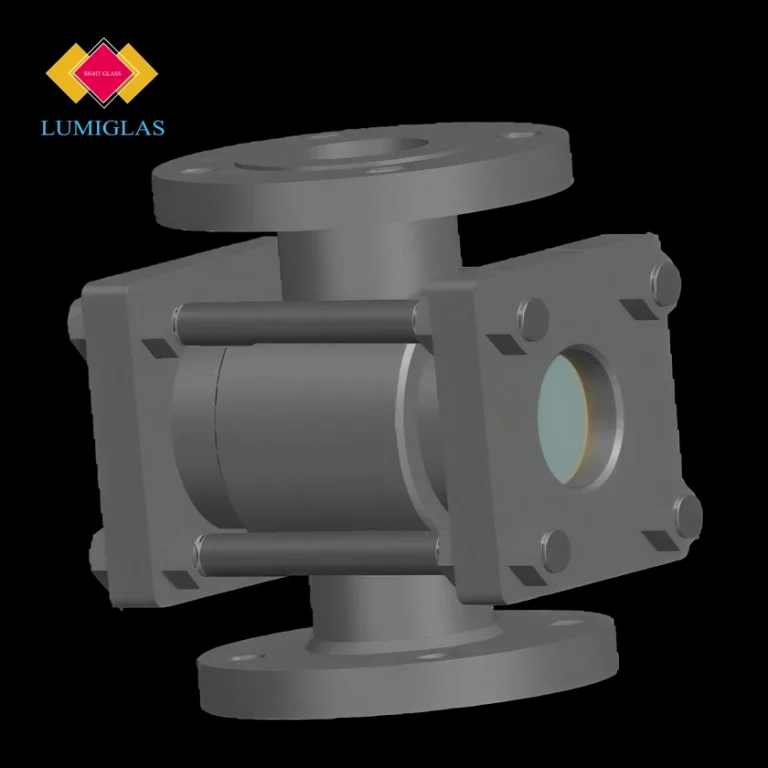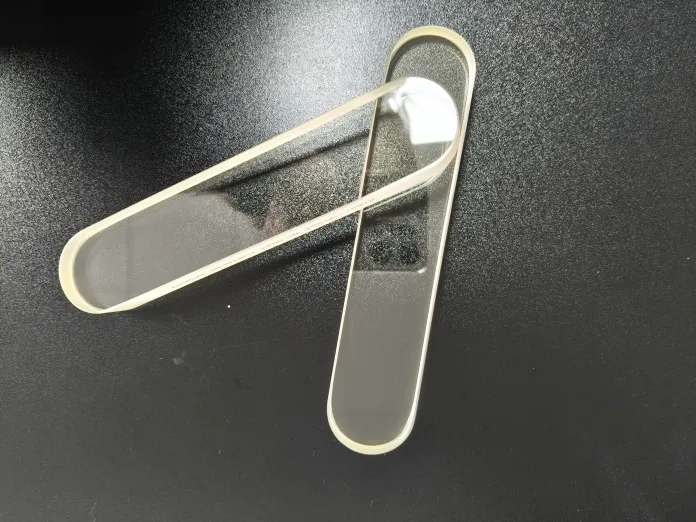
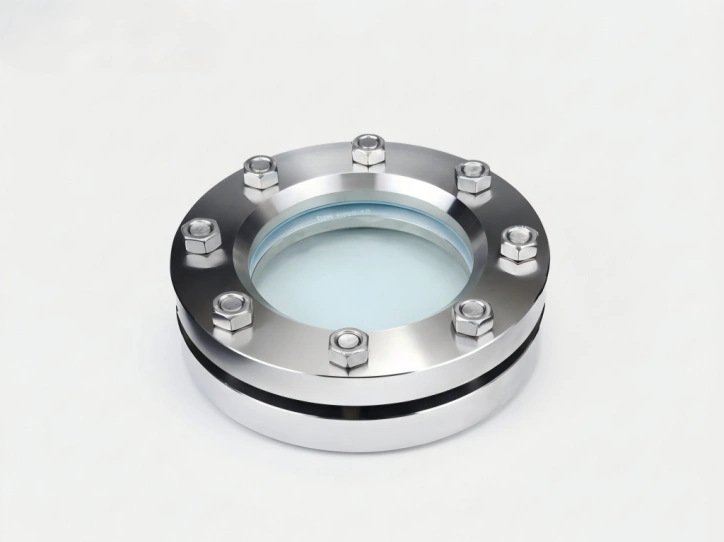
A pressure vessel sight glass is widely considered one of the most safety-critical components in any industrial process plant. Without reliable visual access to the interior of a reactor, fermenter, or storage tank, operators must rely entirely on indirect instrumentation. Consequently, this gap in direct observation is often where accidents begin.
In addition, this guide covers everything engineers need to know when selecting a sight glass. Specifically, we will discuss applicable standards (such as DIN 28120), pressure ratings, and glass material selection.
What Is a Pressure Vessel Sight Glass?
A pressure vessel sight glass (also known as a viewing window) is a sealed observation port installed into the wall of a tank. Fundamentally, it allows operators to visually monitor the medium inside—checking for levels, foam, or reactions—without breaking containment.
The Standard DIN Configuration
For industrial applications, the most common configuration is the round, weld-on type standardised under DIN 28120. This fitting is welded directly onto the vessel shell. As a result, it creates an integral connection that can safely maintain pressure ratings of PN 10 or PN 16.
“Specifying the wrong glass material or pressure rating is an engineering failure, not a procurement decision.”
DIN 28120: The Industry Standard
DIN 28120 is the German engineering standard governing round, weld-on sight glass fittings. In fact, it is the most widely referenced standard for vessel sight glasses in Europe and Asia.
Key Specifications of DIN 28120
The standard strictly defines the following parameters:
- ✓Sizes: DN 50 to DN 200.
- ✓Pressure: PN 10 (10 bar) and PN 16 (16 bar).
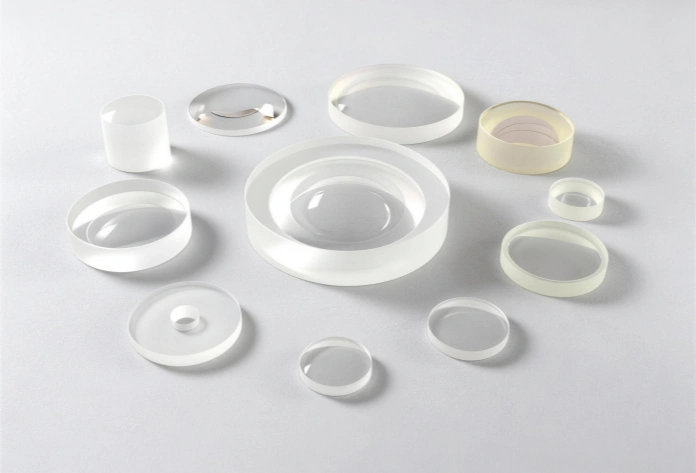
- ✓Components: Base flange, cover flange, glass disc, and gaskets.
Dimensional Data Table
| Size | Pressure | Glass Ø | Flange Ø |
|---|---|---|---|
| DN 50 | PN 10/16 | 100 mm | 165 mm |
| DN 100 | PN 10/16 | 150 mm | 220 mm |
| DN 150 | PN 10/16 | 200 mm | 285 mm |
Glass Material Selection
The single most important material specification is the glass disc itself. However, specifying the wrong glass is a common cause of failure. Therefore, it is crucial to understand the differences.
Material Comparison
| Material | Temp Limit | Feature |
|---|---|---|
| Borosilicate (DIN 7080) | 280°C | Excellent Chemical Resistance |
| Soda-Lime (DIN 8902) | 150°C | Low Cost / Low Temp |
| Quartz | 1000°C+ | Extreme Temp |
Why We Recommend Borosilicate
For the vast majority of industrial applications, thermally toughened borosilicate glass (DIN 7080) is the correct choice. Specifically, it provides high mechanical strength and excellent thermal shock resistance.
5-Step Selection Guide
Step 1 — Confirm Operating Pressure
First, identify the maximum allowable working pressure. Since DIN 28120 covers PN 10 and PN 16, any requirement above 16 bar requires a custom design.
Step 2 — Define Viewing Diameter
Next, choose the smallest size that gives adequate visibility. Generally, larger apertures reduce the overall pressure rating.
Step 3 — Select Glass Material
Subsequently, if your application involves temperatures above 150°C, you must specify borosilicate glass.
Step 4 — Specify Flange Material
For example, use Stainless 316Ti for corrosive chemical vessels, whereas Carbon Steel is suitable for standard oil applications.
Step 5 — Confirm Accessories
Finally, consider accessories such as wipers or LED lights. Notably, all our accessories are compatible with DIN 28120 fittings.
For weld-on applications, Lumiglas® offers two solutions: the high pressure weld-neck sight glass
For general pipeline and vessel service, and the DIN 28120 vessel sight glass
Need a DIN 28120 Solution?
We provide factory-direct pricing and full material certification.