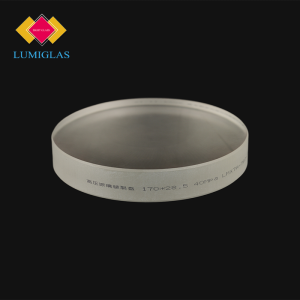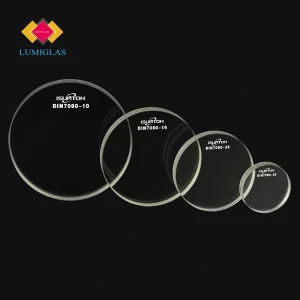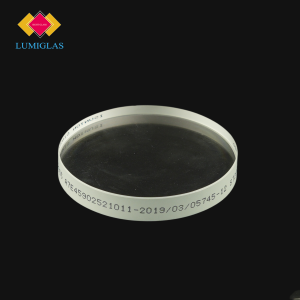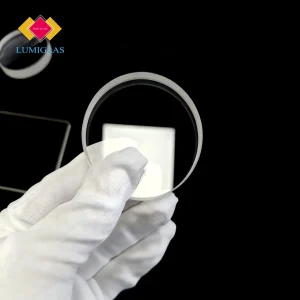


Sapphire Glass — High-Strength Sapphire Windows & Viewports
Sapphire glass windows and viewports for harsh environments. High hardness (Mohs 9), wide transmission, high temperature & abrasion resistance. Datasheets & custom sizes available.
Description
Sapphire glass windows deliver outstanding mechanical, thermal and optical performance in extreme environments. Use sapphire glass viewports for laser systems, high-pressure sight windows, vacuum viewports and abrasion-resistant observation ports.
Product at a glance
- Material: single-crystal sapphire (Al₂O₃) — Mohs hardness 9.
- Optical range: UV–visible–NIR (typical transmission 200–5000 nm depending on thickness & grade).
- Key benefits: extreme scratch & abrasion resistance, high temperature stability, excellent chemical resistance.
- Typical uses: sapphire glass windows, sapphire viewports, laser windows, aerospace & semiconductor viewports.
- Manufacturing options: round/rectangular discs, custom cut, AR/AR-coatings, metal brazing / metal-to-sapphire seals.
Why choose sapphire glass?
Sapphire glass offers best-in-class hardness and thermal stability. Therefore, it resists scratching in abrasive processes. Moreover, it keeps optical clarity under high temperature and pressure. As a result, engineers choose sapphire when they need a durable, contamination-free optical window for demanding environments.
Key features
- Mohs hardness ≈ 9 — only diamond is harder.
- High thermal limit — continuous service in many designs up to +1000°C (grade & mounting dependent).
- Wide optical transmission — good for UV, visible and NIR; low absorption for many laser wavelengths.
- Exceptional chemical resistance — resists acids and solvents under service conditions.
- Durable seals — supports metal brazing and high-vacuum metal-to-sapphire seals for UHV applications.
- Optional coatings — AR, laser damage-resistant, IR-reflective coatings available.
Typical specifications
Applications & industries
- Laser windows and laser processing equipment.
- High-pressure sight windows and viewports (oil & gas, pressure testing).
- Semiconductor lithography and vacuum viewports (UHV-compatible metal-to-sapphire seals).
- Aerospace instrumentation and high-temperature sensors.
- Optical instruments, spectrometers, and harsh-environment sensors.
FAQ
Q1: What is sapphire glass used for?
A: Engineers use sapphire glass for windows and viewports in harsh environments where abrasion, high temperature or vacuum compatibility matter.
Q2: Can sapphire be vacuum sealed?
A: Yes. We offer metalized edges and metal-to-sapphire brazed windows for HV/UHV applications.
Q3: How does sapphire compare to fused silica?
A: Sapphire is much harder and more abrasion-resistant. Fused silica can have better UV transmission below ~200 nm and lower thermal expansion. Choose based on wavelength, abrasion and thermal needs.
Q4: Do you provide AR or laser-resistant coatings?
A: Yes — AR, LDT-optimized and IR coatings are available. Specify coating wavelength and laser parameters.