How do you read a level gauge?
A level gauge gives you a local, visual indication of the liquid level inside tanks, boilers, separators and many industrial vessels. Reading it correctly is essential for safe operation and process control. This guide shows simple, actionable steps for reading common level gauge types (tubular, reflex/transparent, magnetic/flap) and covers special cases like opaque fluids, pressurized systems and sloshing conditions.

1 — Safety first (always)
-
Know the system status: Is the vessel pressurized? Hot? Corrosive? Check permits and lockout/tagout procedures before any close inspection.
-
PPE & training: Wear appropriate PPE (gloves, face shield) and only let trained staff access the gauge for hands-on checks.
-
Check isolation valves: Many gauges have isolation or equalizing valves. Do not open or service the gauge unless you’re authorized and the system is safe to work on.
2 — Identify the type of level gauge
-
Tubular gauge (glass tube): A transparent tube mounted vertically at the vessel side; liquid level in the tube equals vessel level.
-
Reflex sight glass: Grooved glass that gives high contrast between liquid and vapor — good for single-vision level reading.
-
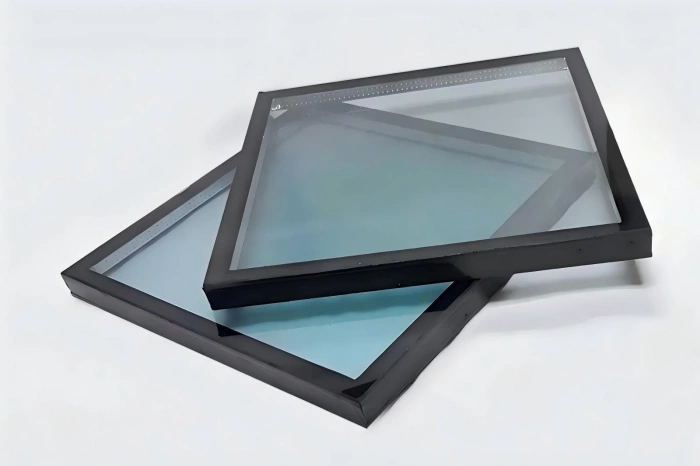
Transparent (flat) sight glass: Clear flat window, often used where unobstructed view is needed.
-
Magnetic/flap level gauge: A magnetic float moves an external indicator (flaps or bars) visible through a window — good for higher safety and no direct glass-to-process contact.
-
Remote/displayed gauges: Some systems use remote sensors and local displays — reading is via instrument panel or transmitter output.
(Use the label on the device or the datasheet to confirm type and materials.)
3 — Step-by-step: reading a tubular level gauge
-
Confirm the gauge is fully isolated and safe to approach.
-
Observe the liquid column: The liquid level inside the tube will equal the liquid level in the vessel when equalizing ports are open. Read the level against any scale or reference marks.
-
If no scale exists: Measure from the bottom flange up to the liquid meniscus and convert to vessel level based on installation drawing.
-
Beware of trapped air or blocked equalizer lines: If the tube shows unexpected reading, check that top/bottom equalizing connections and valves are open and not clogged.
-
For pressurized services: Use only gauges rated for the system pressure/temperature; do not attempt to remove covers or glass while pressurized.
4 — Reading reflex and transparent sight glasses
-
Reflex glass: Liquid appears dark against grooved regions while vapor appears bright — read the dark/light boundary as the liquid surface. Reflex glasses work best when the liquid and vapor contrast is clear.
-
Transparent glass: Read the meniscus (top surface) directly. Lighting and background can affect visibility — use protective shields or backlighting if needed.
5 — Reading magnetic/flap level gauges
-
Magnetic indicators show level via a row of colored flaps or magnets that flip as the float passes. Read the topmost flipped (or colored) marker as the liquid level.
-
These gauges are preferred for opaque, foaming or dirty fluids because the indication is mechanical and not affected by liquid clarity.
6 — Special cases & tips
-
Opaque or slurry fluids: Use magnetic/flap gauges or external transmitters — visual glass gauges may not show level reliably.
-
Foaming liquids: Foam can create false readings—use stilling wells or magnetic float systems.
-
Sloshing (moving liquid): Read on calm condition or use averaging instrumentation; in dynamic processes, rely on instrumented transmitters.
-
Temperature/pressure changes: Readings can shift if vapor pressure or density changes; always consider process conditions when interpreting small level changes.
-
Meniscus correction: For precise measurements, note that the liquid meniscus has curvature; thin films and surface tension can affect exact readings.
7 — Common mistakes & troubleshooting
-
Wrong assumption that tube = scale: Not all tubular gauges have a calibrated scale — verify calibration.
-
Clouded or damaged glass: Replace immediately; clouding hides the meniscus.
-
Leaking flanges/gaskets: Re-torque per manufacturer spec and replace gaskets if needed.
-
Stuck or sinking float (magnetic gauge): Inspect float for damage or deposits; clean or replace.
-
Blocked equalizing valves or drains: Clean and restore flow before trusting the reading.
8 — Maintenance & verification
-
Daily visual checks for critical systems; weekly or monthly for less critical.
-
Periodic functional tests: Open/close isolation and equalizing valves during shutdowns to verify the gauge equalizes correctly.
-
Record readings: Keep level logs for trend analysis and early detection of leaks or abnormal consumption.
-
Replace components per manufacturer life limits (glass tube, float seals, gland packs).
9 — Quick checklist when you read a level gauge
-
Is the gauge rated for current pressure/temperature?
-
Are isolation/equalizing valves in the correct position?
-
Is the glass clean and undamaged?
-
Does the reading match instruments (if present)?
-
Any signs of leakage or abnormal movement?
A correctly read level gauge delivers reliable, immediate process visibility — but only when you follow safety steps, select the right gauge type for the fluid, and maintain the equipment. For help selecting or specifying level gauge solutions (tubular, reflex, magnetic or sapphire options), contact our application team at lumistar@188.com with your vessel pressure, temperature and media details.
FAQ
Q: How often should I read a level gauge?
A: For critical systems daily; otherwise follow your maintenance schedule. Use automated transmitters for continuous monitoring where required.
Q: Can a level gauge show exact volume?
A: A level gauge shows vertical level. To convert to volume, use the tank geometry and reference calibration chart.
Q: What if my gauge reading doesn’t match the transmitter?
A: Verify equalizing valves, check for stuck floats, and confirm transmitter calibration. Treat discrepancies as potential process or instrument faults.
Related link: Level Gauge