Compare Safety Sight Glass Types for High-Pressure Applications
TL;DR: Choosing the right safety sight glass for high-pressure service means matching viewing needs with pressure capability, chemical compatibility and mechanical protection. This short guide compares main types and gives a practical selection checklist.

Quick overview — types to consider
- Sapphire sight glass — extreme abrasion, high temperature and high-pressure capability for smaller viewports.
- Fused glass-to-metal windows — hermetic, strong joints for cyclic and sanitary services.
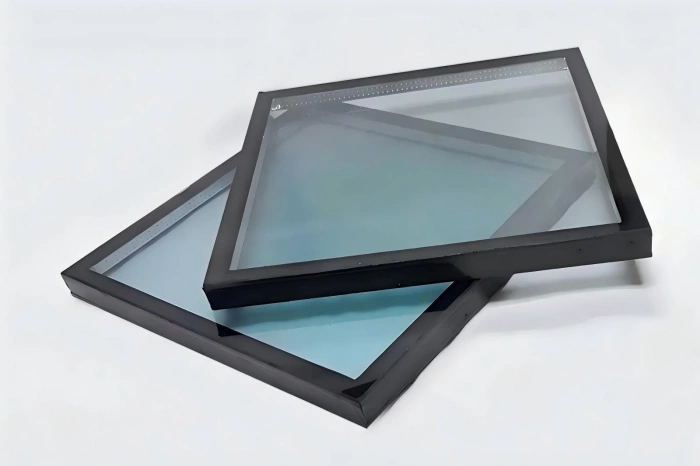
- Tempered / laminated borosilicate — economical, good thermal and chemical resistance with safety lamination options.
- High-pressure tubular gauge glass — continuous level viewing along a length; available in reinforced designs.
- Small-bore viewports (bull’s-eye) — small diameter windows that achieve very high pressure ratings.
Sight glass types — quick comparison
| Type | Strength | Best for | Tradeoffs |
|---|---|---|---|
| Sapphire | Very high | Abrasive media, extreme temp/pressure | Higher cost; precision mounting |
| Fused glass-to-metal | High | Sanitary & cyclic services; hermetic seal | Custom manufacturing; lead time |
| Tempered/laminated borosilicate | Medium–high | General chemical service, thermal shock resistance | Less abrasion resistance |
| Tubular gauge glass | Medium–high | Full-length level indication | Breakage risk; needs guards |
| Small-bore viewports | Very high (per small diameter) | Very high-pressure lines with limited view | Limited viewing area |
Note: allowable pressure depends on diameter, thickness and housing design — always use vendor ratings and certificates.
How to pick a safety sight glass — practical checklist
- Define worst-case conditions: max operating pressure, MAWP, max temperature and transients.
- Assess media: chemical compatibility, abrasiveness, solids and foaming behaviour.
- Decide viewing needs: full-length level vs small observation; clear view vs contrast (reflex).
- Choose materials: glass type, body alloy (SS304/316, duplex, Inconel), gasket (PTFE, graphite, metal).
- Specify protection: guards, laminated layers, double windows or containment for critical services.
- Request documentation: MTCs, hydrostatic/burst test reports and pressure/temperature ratings.
- Plan spares & maintenance: replacement glass, unions and gasket kits on-site.
- Consider redundancy: duplicate windows or remote sensors for mission-critical lines.
Installation & maintenance — key practices
- Follow vendor torque and flange instructions — incorrect torque causes leaks.
- Use specified gasket materials and replace them per schedule.
- Install physical guards in high-traffic or impact areas.
- Keep spare small-diameter windows and gasket kits for critical lines.
- Log inspections and any pressure/temperature excursions.
Common mistakes to avoid
- Choosing solely on upfront cost without lifecycle or safety considerations.
- Assuming same nominal glass type equals same pressure rating — diameter & thickness matter.
- Neglecting chemical compatibility at operating temperature and concentration.
- Failing to request vendor test certificates and material traceability.