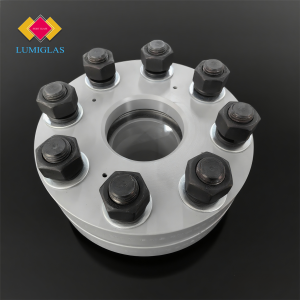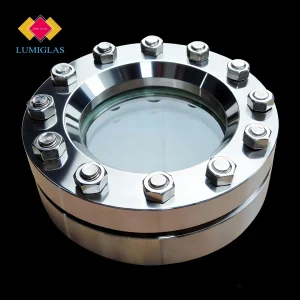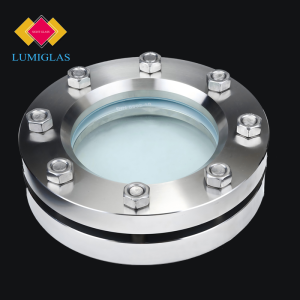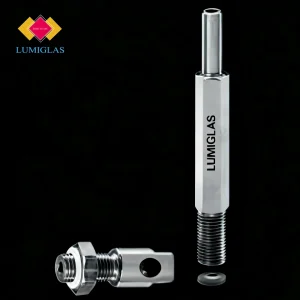
Cryogenic Flanged Sight Glass
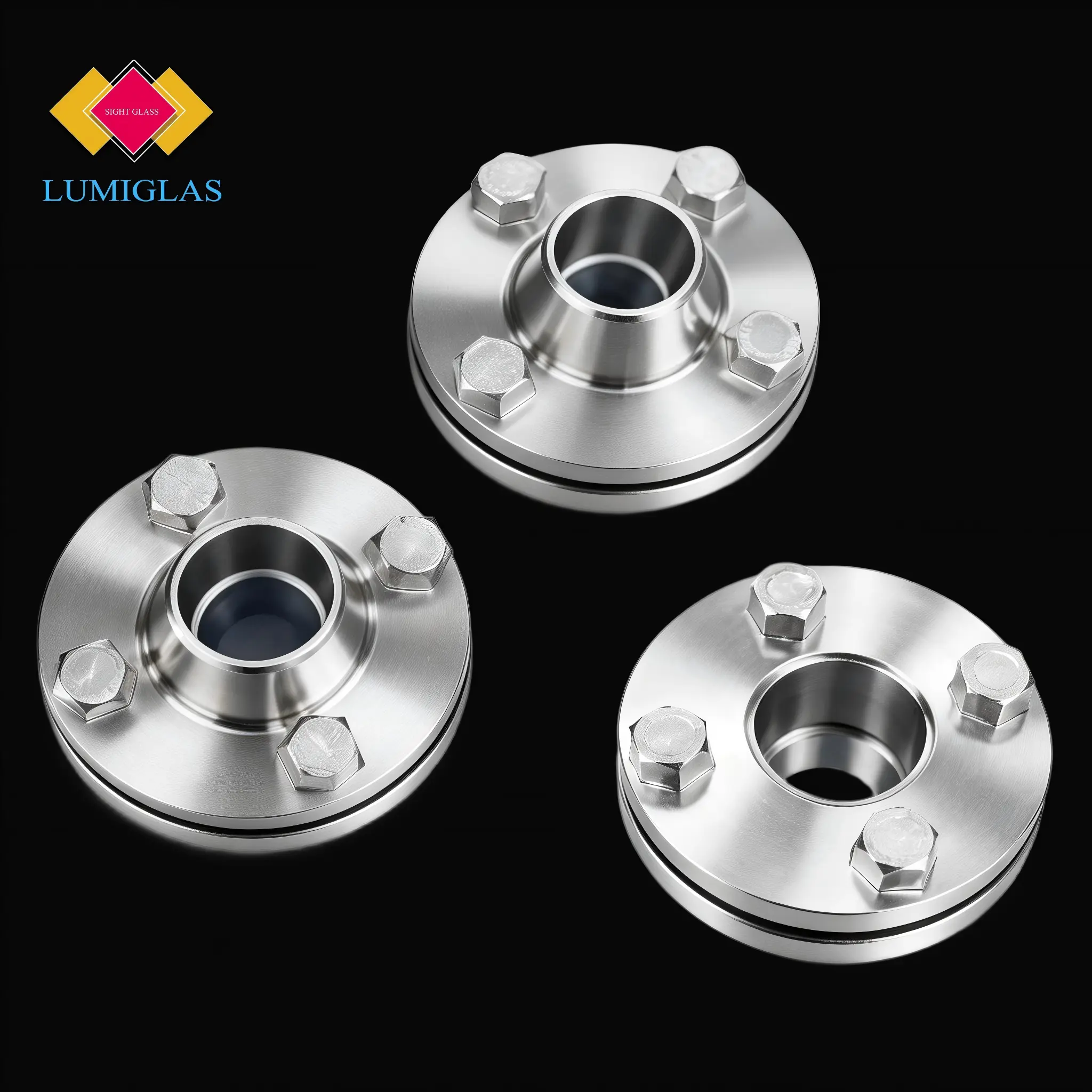
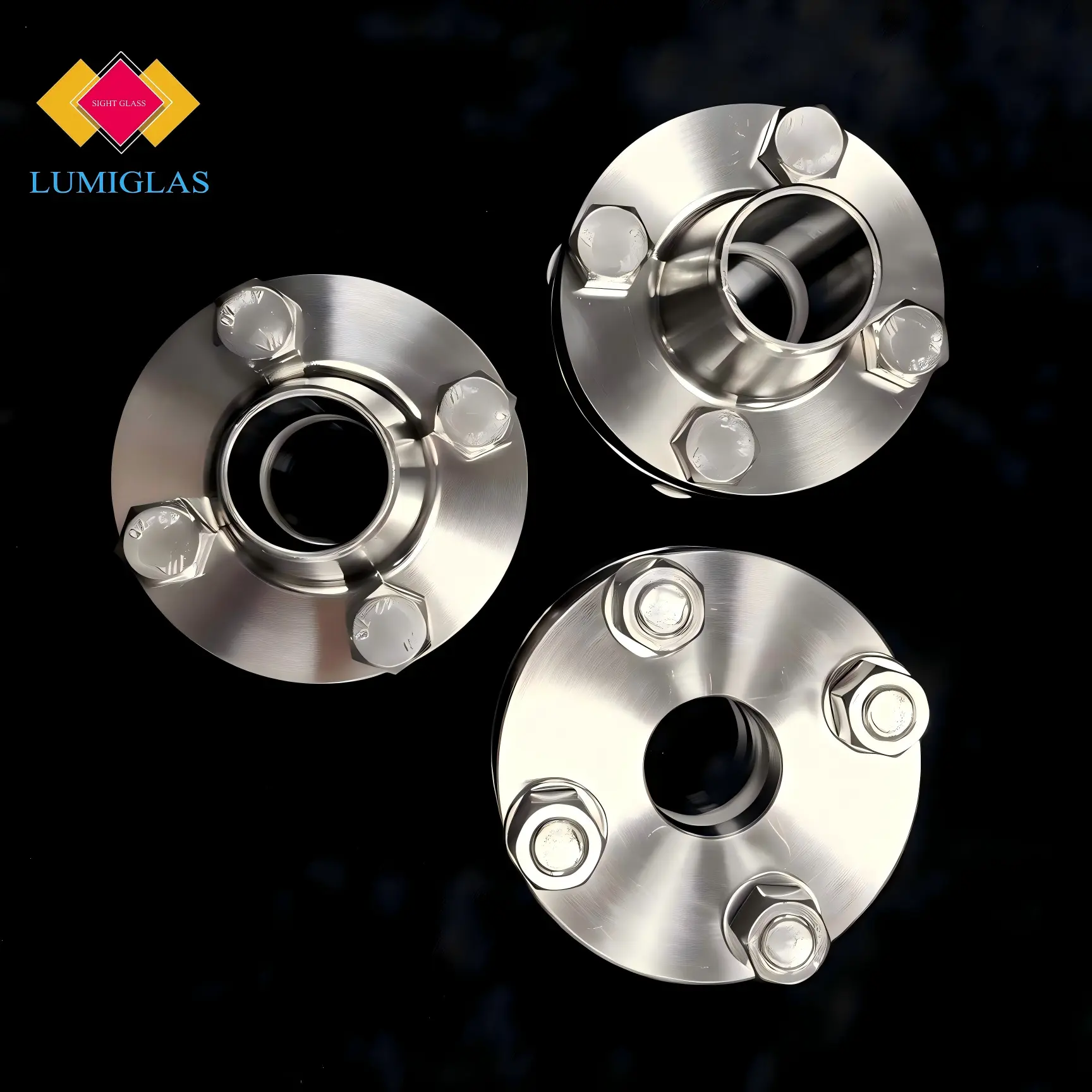
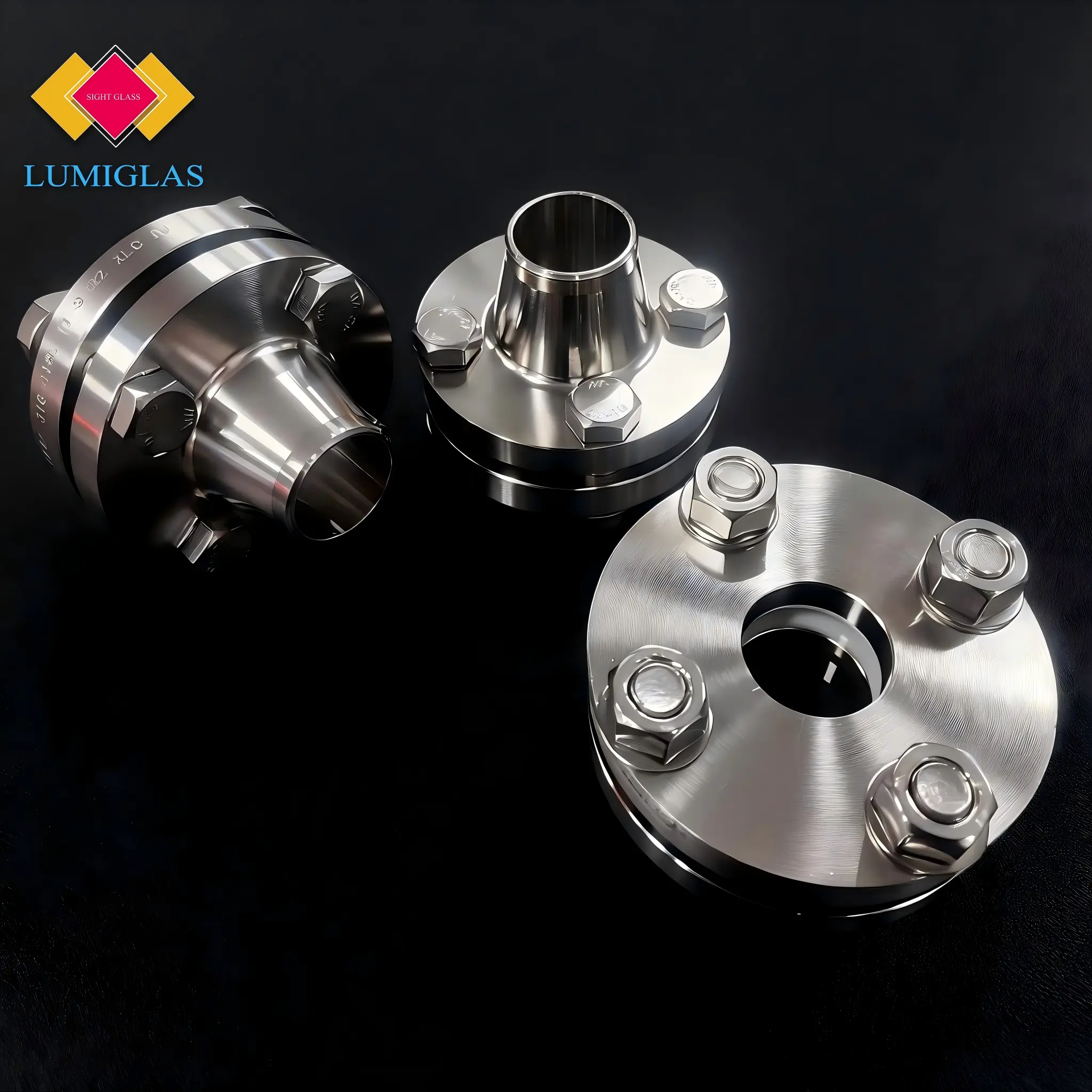
The Cryogenic Flanged Sight Glass is designed for ultra-low temperature and cryogenic applications, providing safe and reliable visual inspection in LNG, liquid nitrogen, and other cryogenic process systems. Featuring a robust flanged connection and cryogenic-grade sealing, it ensures stable performance under extreme thermal conditions.
Description
The Cryogenic Flanged Sight Glass is specifically engineered for ultra-low temperature and cryogenic processes, providing reliable visual inspection under extreme thermal conditions. Designed with a robust flange connection and high-performance viewing window, it ensures safe and clear observation of media flow in cryogenic pipelines, vessels, and storage systems.
Core benefits
-
Designed for cryogenic and ultra-low temperature service
-
Excellent resistance to thermal shock and temperature cycling
-
Flanged connection for secure and leak-tight installation
-
Multiple window and sealing options for different cryogenic media
-
Customizable dimensions, pressure classes, and materials
-
Suitable for vacuum and insulated systems
Quick technical summary
| Parameter | Typical value / options |
|---|---|
| Connection Type | Flanged (ANSI / DIN / JIS available) |
| Nominal Sizes | DN15 – DN300 (custom sizes on request) |
| Window Material | Sapphire / Fused Quartz / Borosilicate Glass |
| Temperature | -196°C/+350°C |
| Body Material | Stainless Steel 304 / 316 (others on request) |
| Pressure Rating | According to flange standard and window size |
| Sealing Options | PTFE, metal gasket, cryogenic-grade seals |
| Surface Finish | Machined, polished, or sandblasted |
Installation & operation notes
-
Ensure correct gasket selection for cryogenic service
-
Avoid elastomers not rated for ultra-low temperatures unless specified
-
Torque bolts evenly to compensate for temperature-induced shrinkage
-
Insulated or heated configurations are recommended to reduce frosting
Applications
- Food & beverage process tanks and pasteurizers
- Chemical reactors and pipelines with fouling fluids
- Pharmaceutical reactors where visual inspection must be continuous
- Any sight glass installation prone to film, condensate or deposit build-up
Ordering Information
When requesting a quotation, please specify:
-
-
Nominal size and flange standard
-
Operating temperature and pressure
-
Process medium
-
Window material preference
-
Any special requirements (vacuum, insulation, certification)
-
FAQ
- Q: Which window material is recommended for cryogenic service?
- A: Sapphire offers the highest mechanical strength and thermal shock resistance and is recommended for demanding cryogenic conditions. Fused quartz is a cost-effective alternative, while borosilicate glass is suitable for less severe conditions.
- Q: What sealing materials are used for ultra-low temperatures?
- A: Common sealing options include PTFE, metal gaskets, or special cryogenic-grade seals. Elastomers such as Viton are generally not recommended for ultra-low temperature service unless specifically approved.