Introduction
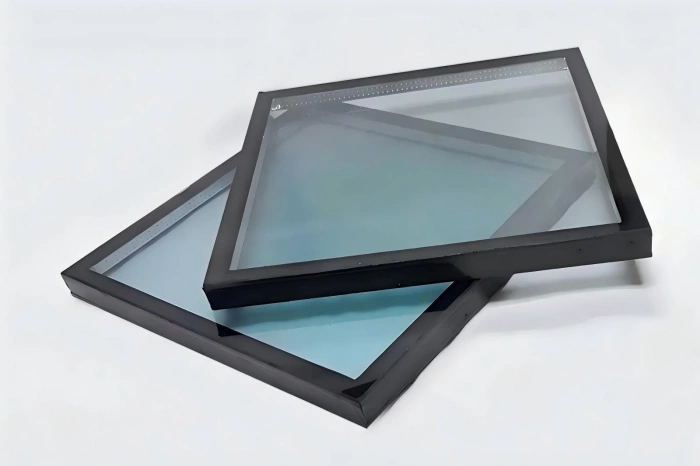
Sight glass is a small component with big responsibility in pharmaceutical manufacturing: it must enable clear visual inspection while meeting strict cleanliness, material and validation needs. Choosing the right sight glass reduces contamination risk, simplifies validation, and shortens downtime. This guide explains what matters for pharma-grade sight glass and why working with a factory partner like Lumiglas — with mature production lines, strict machine + manual quality control, and ready stock — supports reliable, documentable results.
For project inquiries, drawings or fast stock lists contact lumistar@188.com or visit https://lumiglas.ltd/.
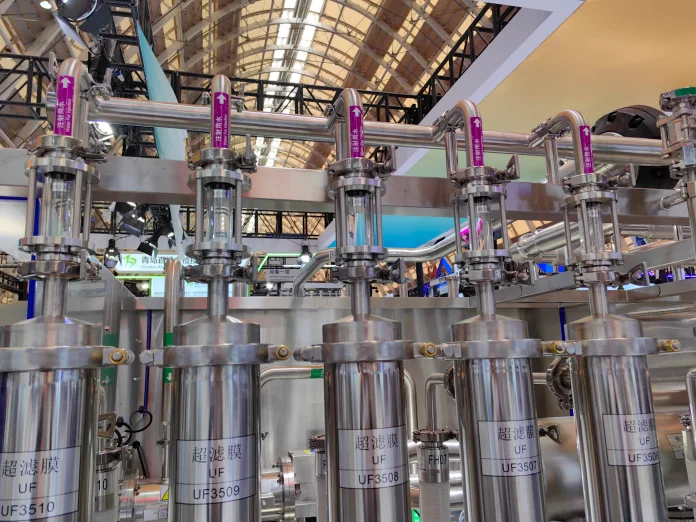
What makes a sight glass “pharma-suitable”?
Pharmaceutical processes demand equipment that is cleanable, chemically inert, and traceable. A pharma-suitable sight glass must:
-
Be made from chemically compatible materials that withstand CIP (clean-in-place) and SIP (steam-in-place).
-
Have sanitary stainless housings and gasket materials approved for pharmaceutical contact.
-
Present low-Ra, crevice-free wetted surfaces to avoid particle or biofilm accumulation.
-
Include material certificates, batch traceability and test reports to support IQ/OQ documentation.
-
Deliver optical clarity with no subsurface flaws that could hide contamination.
Key specifications to require from suppliers
When specifying or buying a sight glass for pharma use, include these concrete items in the purchase order or technical query:
-
Material & traceability: 316L or equivalent stainless for housings; glass choice (borosilicate, sapphire, fused silica) with mill/test certificates. Include gasket material spec and certificate (e.g., PTFE/FEP, USP/FDA grade where required).
-
Surface finish: Provide Ra target for wetted stainless surfaces and specify electropolishing if needed. State acceptance criteria (e.g., Ra ≤ 0.4 µm or per plant standard).
-
Cleanability statement: Supplier must confirm CIP/SIP compatibility and provide recommended cleaning cycles/temperatures and compatible agents.
-
Pressure & temperature ratings: Design pressure and temperature ranges, and test requirements (hydrostatic or pneumatic test reports).
-
Optical & inspection acceptance: Visual acceptance criteria for clarity, allowable inclusion size, and certificate of inspection.
-
Documentation pack: Mill certificates, dimensional drawings/CAD, pressure test reports, cleaning recommendations, packing list and spare-part list.
Materials and design choices explained (practical)
-
Borosilicate glass: Good chemical durability and thermal shock resistance — commonly used in sanitary sight windows.
-
Sapphire: Used when higher mechanical strength, scratch resistance and spectral transmission are required (higher cost).
-
Gaskets: PTFE/FEP for chemical resistance; specialty elastomers only when validated for your CIP agents and temp.
-
Housing: 316L stainless with smooth transitions and no dead legs — design for full drainability.
Validation, installation, and maintenance — what your QA team will ask
-
Validation support: Request CAD files, installation drawings, and recommended IQ/OQ steps from the supplier. These speed internal validation and reduce back-and-forth.
-
Installation: Use proper bolt torque patterns and replacement gaskets during reassembly to avoid stress on glass. Provide torque specs in the vendor documentation.
-
Spares & shelf-stock: Keep spare lenses and gasket kits for rapid replacement without affecting validation windows. Include part numbers and batch references in your spare list.
-
Inspection schedule: Define visual inspection intervals and acceptance criteria; log inspections in maintenance records.
Why a factory partner matters — Lumiglas approach
As a factory-direct manufacturer, Lumiglas focuses on consistent output and documentary support that pharmaceutical customers require:
-
Mature production lines: Standardized machining, polishing and assembly processes reduce variability and speed custom work.
-
Machine + manual QC: Automated dimensional and surface inspections plus manual checks at multiple points ensure optical and mechanical consistency.
-
Documentation & traceability: Every shipment can include material certificates, pressure test reports and packing lists to support IQ/OQ and regulatory review.
-
Stock & logistics: We maintain common sight glass sizes and gasket kits in stock for fast dispatch; proximity to major transport hubs helps minimize transit time and customs delays.
-
Technical collaboration: We provide CAD, installation guidance and recommended cleaning protocols so your QA/validation teams can close documentation quickly.
Quick buyer’s checklist (copyable)
-
Sight glass material: specified and certified.
-
Housing: 316L stainless, electropolished if required.
-
Gasket material: FDA/USP-qualified and compatible with CIP/SIP.
-
Surface finish: Ra target and certificate.
-
Test reports: hydrostatic/pneumatic certificates included.
-
Delivery: spare lens and gasket part numbers included.
-
Documentation: CAD, cleaning cycles, traceability files included.
FAQ (short — good for snippets)
Q: Can sight glass assemblies be steam sterilized?
A: Yes — if the glass, gasket and housing materials are specified for steam temperatures and the supplier provides SIP compatibility guidance.
Q: What surface finish is recommended for injectable product lines?
A: Target very low Ra values (discuss with your QA), and use electropolished stainless where required. The supplier should provide finish measurement certificates.
Q: How quickly can I get a replacement sight glass?
A: If the supplier maintains stock of standard sizes and gasket kits, replacements can often be dispatched rapidly; Lumiglas keeps common SKUs in stock for expedited shipping.
Call to action
For pharma-grade sight glass, technical drawings, or validation documentation — email lumistar@188.com or visit https://lumiglas.ltd/. Our team will provide stock lists, CAD files, and the documentation your QA team needs.