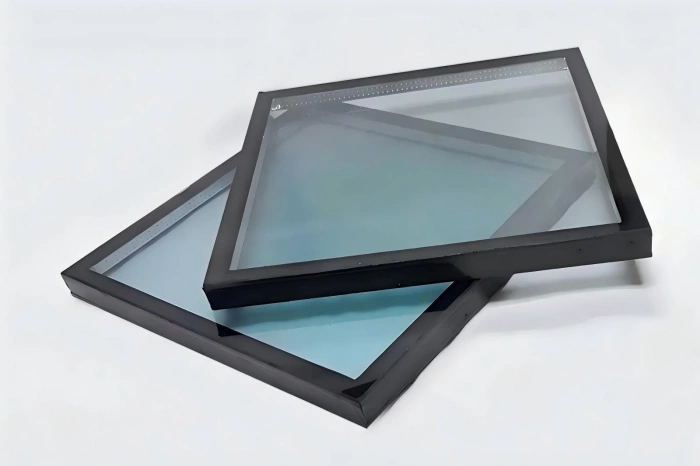
What is JIS B8286?
JIS B8286 is the Japanese Industrial Standard that defines the structure, material and quality requirements for sight glasses used on pressure vessels. The standard applies to sight glasses for pressure vessels with a design pressure of less than 30 MPa and specifies construction, glass quality and test/inspection requirements.
Why this standard matters
Sight glasses are a primary visual safety and process-control interface on boilers, reactors and storage vessels. Following JIS B8286 ensures:
- Predictable mechanical performance under pressure;
- Defined optical and surface quality for safe observation;
- Harmonized test and record requirements for certification and QA.
Key scope & technical highlights
- Scope: Sight glasses for pressure vessels with design pressure < 30 MPa.
- Glass and construction: The standard specifies acceptable glass types, minimum thickness (calculation rules), sealing/retaining arrangements, and inspection aperture sizing.
- Quality & acceptance: Visual appearance (no harmful defects), dimensional tolerances, and material test methods are covered.
Typical materials & performance considerations
Manufacturers commonly specify sight-glass materials that meet the mechanical and thermal demands listed by JIS B8286 such as soda-lime, borosilicate, aluminosilicate and specialized alkali-resistant glasses. Each material trades off pressure resistance, thermal shock resistance and chemical durability — choose based on vessel pressure, temperature cycling, and process chemistry. (For concrete product ranges and typical allowable pressures by size, manufacturers often publish tables referencing JIS B8286.)
How to demonstrate compliance (practical checklist for suppliers & engineers)
- Standard reference — Obtain the official JIS B8286 text.
- Design verification — Confirm calculation of minimum glass thickness and of sealing diameter per the clauses.
- Material certification — Provide glass manufacturer test certificates (chemical composition, thermal shock, and mechanical strength, where required).
- Visual inspection — Acceptance criteria for scratches, inclusions and transparency per the standard.
- Records & traceability — Maintain production and test records as required by the standard.