MAXOS: engineered borosilicate sight glass for critical process visibility
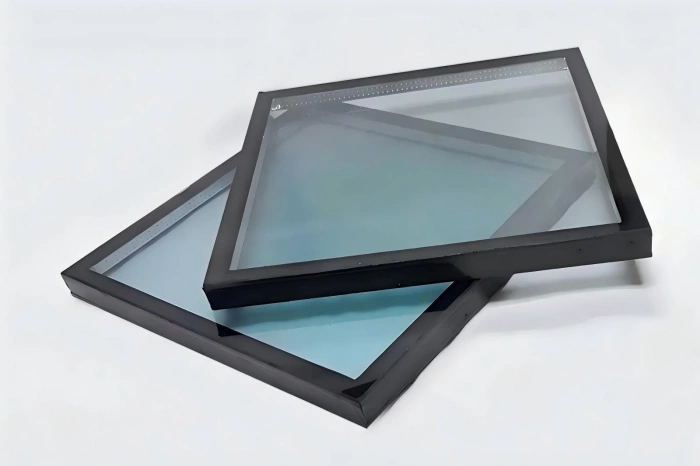
MAXOS is a line of engineered borosilicate sight glasses designed to provide reliable, long-term visual access into process equipment. Whether used on reactors, level gauges, sight ports, or sampling windows, MAXOS glass combines low thermal expansion, high chemical resistance, and consistent optical clarity — qualities that directly reduce downtime, simplify inspection, and increase operator confidence in industrial settings.
Why choose MAXOS for industrial sight glasses and level gauge applications
MAXOS borosilicate sight glasses are specified where service conditions demand both mechanical resilience and optical performance:
- Thermal shock tolerance: a low coefficient of thermal expansion lowers stress under rapid temperature changes, reducing the risk of cracking during start-up or transient events.
- Chemical durability: the borosilicate matrix resists acids, solvents, and many processing fluids, keeping viewing ports clear and free of corrosive etching.
- Optical integrity: tight quality control on inclusions, homogeneity, and annealing minimizes distortion and preserves true visibility over time.
- Predictable mechanical behavior: published material data support accurate thickness and pressure calculations for engineering validation.
These attributes make MAXOS a preferred choice for chemical processing, pharmaceuticals, food & beverage, and any industry where reliable visual observation is part of safety and control.
Typical MAXOS product features
Material: Borosilicate glass (industrial grade), Aluminosilicate glass.
Available standards: DIN 7080, DIN 7081, BS 3463, JIS B 8211, MIL – G – 16356
Common sizes: diameters range(24mm-265mm) and thickness range(10mm-30mm), Customizable.
Surface finish: polished/ground edge options, optical grade vs. standard.
Mounting options: flange, threaded, or sandwich assemblies; recommended gasketing materials.
Certifications & tests: CE&ISO certified, test reports as requested.
Selection guidance — match MAXOS to your process conditions
- Temperature cycling & thermal shock: prefer MAXOS over soda-lime when frequent temperature swings occur.
- Chemical exposure: for acidic or organic media, MAXOS offers longer service life than general-purpose glass. Confirm compatibility for HF or strong alkali exposures.
- Diameter vs. thickness tradeoff: increase thickness or add protective retainers for large apertures; always validate with manufacturer pressure tables or engineering calculations.
- Edge protection: order finished edges and use compliant gaskets to avoid point loads that concentrate stress.
If you’re unsure, provide process conditions (pressure, temperature, media) to the supplier to obtain recommended MAXOS part numbers and safety margins.
Installation, testing & maintenance best practices
- Installation: follow torque patterns and use even compression to prevent localized stress. Avoid over-tightening that transmits point loads into the glass edge.
- Initial testing: include the sight assembly in hydrostatic or pneumatic testing and document results.
- Routine inspection: check for edge chips, hairline cracks, surface pitting or hazing. Replace the glass if any mechanical damage or stress corrosion is suspected.
- Cleaning: use non-abrasive agents; avoid hydrofluoric acid and uncontrolled strong alkalis. For persistent deposits, consult the manufacturer.
- Protective measures: consider mica shields or mechanical covers during thermal shocks (start/stop) or when exposed to particulate impacts.
- Document maintenance intervals and inspection outcomes in equipment records to support QA and traceability.
FAQ
Q: What process conditions suit MAXOS most?
A: MAXOS is ideal for processes with temperature cycling, acidic or organic media, and where long-term optical clarity is required.
Q: Can MAXOS sight glasses be pressure rated?
A: Yes — when sized and mounted according to engineering tables and tested per manufacturer guidance; always include assemblies in pressure tests.
Q: How should MAXOS be cleaned?
A: Use manufacturer-approved, non-abrasive cleaners; avoid HF and uncontrolled strong alkalis.