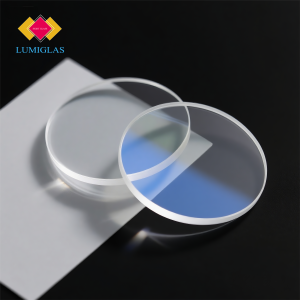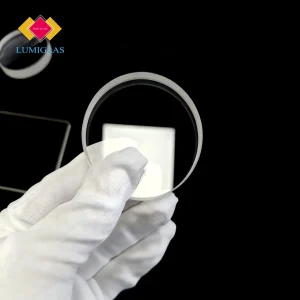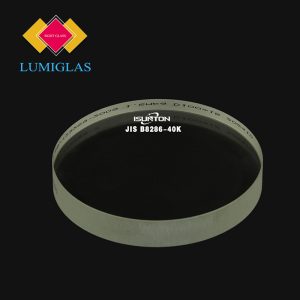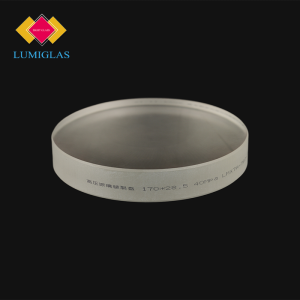


Borosilicate Instrument Window Cover
Borosilicate instrument window cover for instruments & gauges. High thermal & chemical resistance, custom sizes, datasheet & COA available. Buy replacement covers.
Description
Borosilicate instrument window covers are precision glass covers used for instrument viewports, gauge windows and protective instrument panels. They provide clear optical inspection while resisting thermal shock and many process chemicals. For demanding temperatures or aggressive media, we also offer quartz or specialty fused silica options.
Quick product highlights
- Material: Borosilicate glass
- Typical temperature range: -60℃/+280℃
- Chemical resistance: good resistance to many acids and alkaline solutions
- Applications: instrument windows, gauge covers, lab equipment, sight ports, optical inspection covers.
- Finish options: polished
Typical specifications
*Actual safe operating temperature depends on glass thickness, mounting arrangement, and thermal gradients — always consult our engineers for your exact application.
Features & benefits
- Optical clarity: high transparency for accurate instrument reading.
- Thermal stability: a low coefficient of thermal expansion minimizes stress and cracking under temperature change.
- Chemical durability: stands up to many cleaning agents and process fluids better than soda-lime glass.
- Customizable: drilled holes, countersinks, bonded assemblies, and special edge treatments available.
Downloads
FAQ
- 1. Is borosilicate better than soda-lime for instrument windows?
- Yes — borosilicate offers far better thermal shock resistance and chemical durability than soda-lime. For very high temperatures (> ~300°C) or extreme optical needs, quartz or fused silica may be better choices.
- 2. How do I measure for a replacement cover?
- Measure outside diameter (OD), inner visible opening (if applicable), hole spacing & bolt circle diameter, and overall thickness. A photograph or DWG/STEP speeds quoting.
- 3. Can you temper or chemically strengthen this glass?
- Yes — tempering or chemical strengthening is available for many geometries. Note that tempering changes optical temper and residual stress; consult our engineers.