
Aluminosilicate Gauge Glass DIN 7081 — Up to 375°C & 400 Bar | Lumiglas®
Aluminosilicate gauge glass to DIN 7081 — rated up to 375°C and 400 Bar. Alkali-free, flexural strength up to 450 MPa. Direct upgrade for borosilicate level gauges. Transparent & reflex types. Size tables & datasheet available. Request a quote.
Description
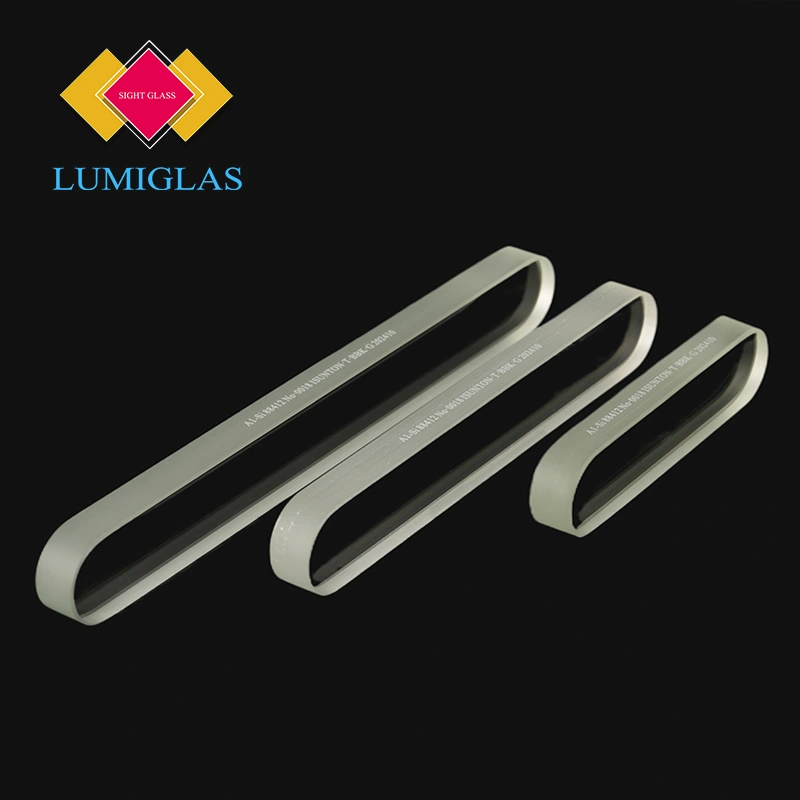
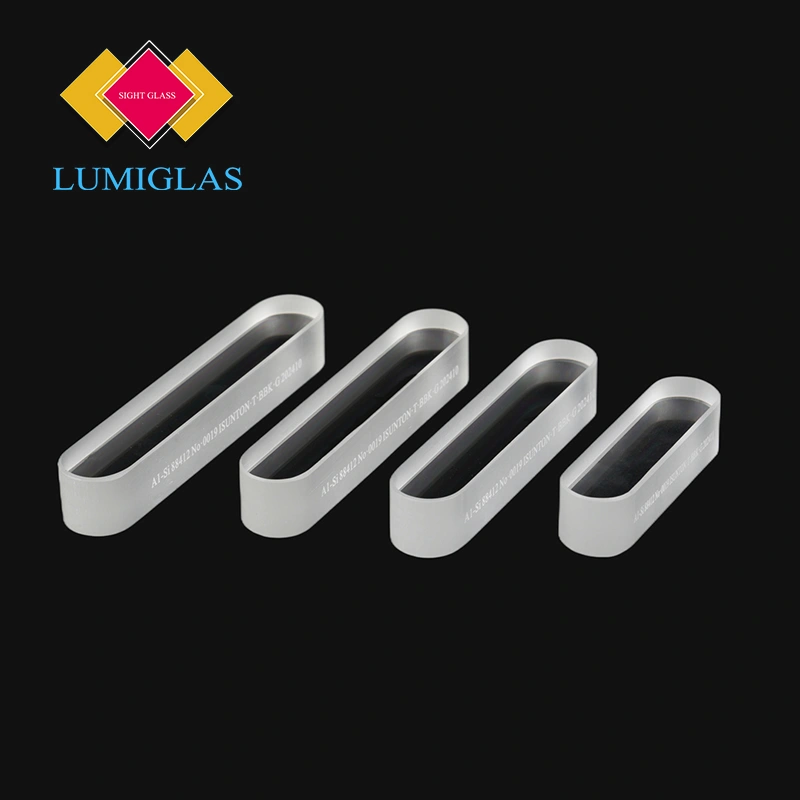
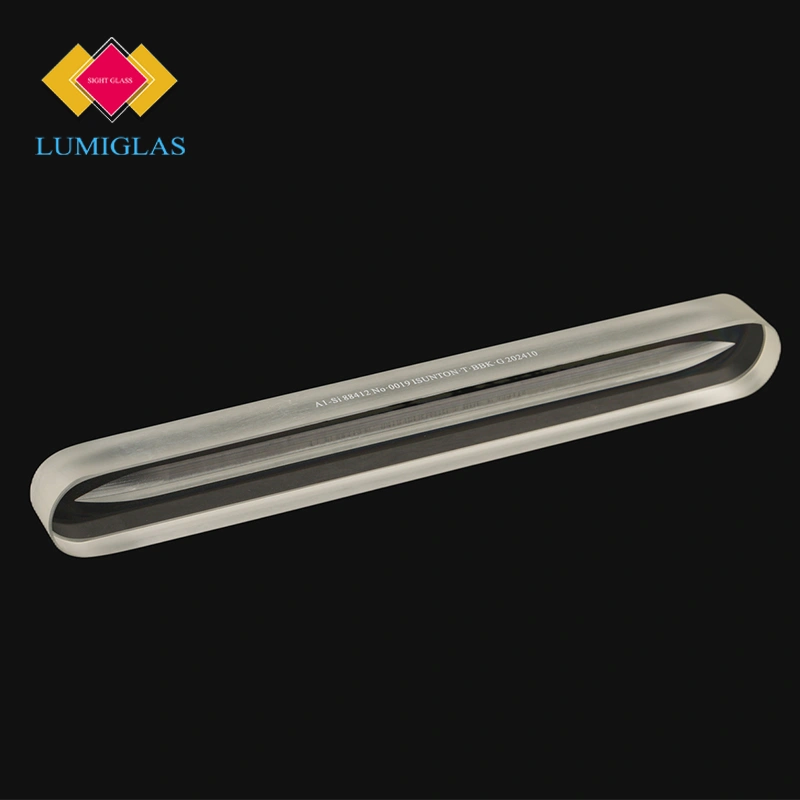
Lumiglas aluminosilicate gauge glass (DIN 7081) is the correct specification for liquid level gauges in high-temperature, high-pressure industrial equipment where standard borosilicate gauge glass can no longer perform safely. Specifically, engineers upgrade to aluminosilicate when process conditions exceed 300°C or 200 Bar — thresholds beyond which borosilicate gauge glass becomes a safety risk. Moreover, with a flexural strength of up to 450 MPa and a maximum pressure rating of 400 Bar, Lumiglas aluminosilicate gauge glass provides the safety margins required for supercritical steam boilers, petrochemical reactors, and offshore level indicators. Because it is manufactured to DIN 7081 standard dimensions, it installs directly into existing level gauge housings as a drop-in upgrade — no housing modification required.
Aluminosilicate vs borosilicate gauge glass — when to upgrade
Two conditions typically drive the decision to replace borosilicate with aluminosilicate gauge glass: process temperature above 300°C, or operating pressure above 200 Bar. In contrast to borosilicate, aluminosilicate handles both conditions simultaneously. Furthermore, the alkali-free composition provides superior resistance to caustic media that would rapidly degrade borosilicate gauge glass surfaces. All performance data below comes directly from Lumiglas product specifications.
| Parameter | Borosilicate (DIN 7081) | Aluminosilicate (DIN 7081) |
|---|---|---|
| Max operating temperature | ≤280°C | ≤375°C |
| Max pressure resistance | Up to ~200 Bar | 320–400 Bar |
| Flexural strength | 100–160 MPa | 240–450 MPa |
| Alkali resistance | A2 | A2–A1 (Superior) |
| Boron content | Contains boron oxide | Boron-free |
| DIN 7081 housing fit | Standard | Direct compatible |
Technical specifications — DIN 7081 aluminosilicate gauge glass
The table below summarises the full material performance data for Lumiglas aluminosilicate gauge glass. In particular, the pressure and flexural strength values confirm why this glass is specified for applications where standard borosilicate gauge glass is not sufficient.
| Parameter | Value |
|---|---|
| Executive Standard | DIN 7081 (Transparent & Reflex) |
| Max Pressure Resistance | 320–400 Bar (dimension dependent) |
| Max Operating Temperature | ≤375°C |
| Thermal Shock Resistance | ≥280°C differential |
| Flexural Strength | 240–450 MPa |
| Young’s Modulus | 84–112 GPa |
| Softening Point | 920–950°C |
| Alkali Resistance (ISO 695) | Class A2–A1 (Superior) |
| Acid Resistance (DIN 12116) | Class A1 |
Why upgrade to aluminosilicate gauge glass?
Unlike standard soda-lime or borosilicate gauge glass, aluminosilicate glass is essentially free of boron oxide and instead contains high aluminum oxide. As a result, it achieves a transformation temperature of up to 820°C and a significantly harder, more chemically stable surface. Furthermore, because the composition contains no alkali metal ions, it resists caustic process media — including high-concentration alkalis and steam condensates — that would rapidly degrade borosilicate gauge glass over time. Therefore, for any level gauge operating above 300°C or above 200 Bar, aluminosilicate is the only safe and technically correct material choice.
Transparent vs reflex aluminosilicate gauge glass
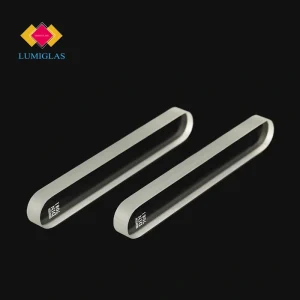
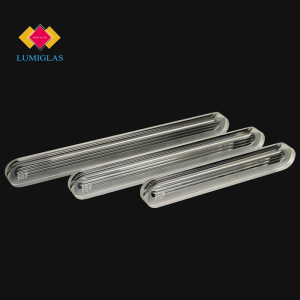
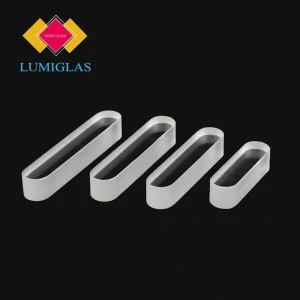
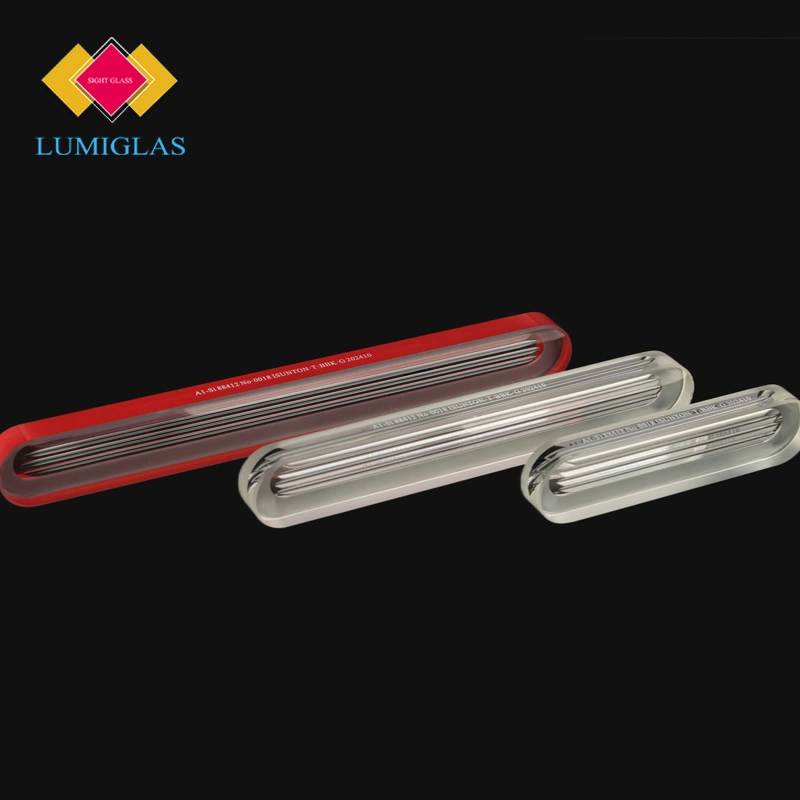
Lumiglas supplies aluminosilicate gauge glass in both types to DIN 7081. Transparent gauge glass allows direct visual observation of liquid level and color — particularly useful in chemical processes where product clarity matters. Reflex gauge glass, on the other hand, uses a prismatic surface that reflects light differently above and below the liquid interface, making level reading easier in low-visibility or high-steam environments. Both types are available across the full DIN 7081 size range. Download the size tables above to identify the correct dimensions for your gauge housing.
Use with mica protection for boiler applications
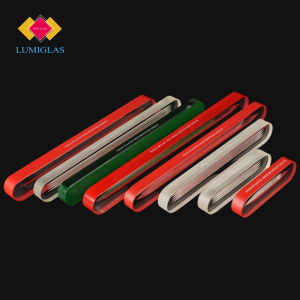
In supercritical steam boiler and high-temperature steam applications, aluminosilicate gauge glass is standardly installed with mica protection. The mica shield sits between the glass surface and the process medium. As a result, it prevents direct fluid contact — protecting the glass from alkalis, condensates, and scaling — while allowing the assembly to operate at its maximum rated pressure and temperature. For level gauges running above 300°C, this is therefore the industry-standard installation configuration.
Key performance characteristics
Pressure and mechanical strength
- Max pressure 320–400 Bar — beyond borosilicate limits: Aluminosilicate gauge glass handles pressure loads up to 400 Bar depending on dimensions. This, therefore, makes it the correct material for supercritical steam boilers, hydrocracking units, and offshore level indicators where standard borosilicate gauge glass would fail.
- Flexural strength 240–450 MPa: The high aluminum oxide content and boron-free composition together push flexural strength to 2–3 times that of standard borosilicate gauge glass. Consequently, the glass resists pressure surges, thermal cycling, and mechanical shock far more effectively in demanding level gauge applications.
- Thermal shock resistance ≥280°C: Rapid temperature changes during process startup, shutdown, or steam injection events can crack standard gauge glass. Aluminosilicate, however, withstands thermal shock differentials of 280°C — making it far more reliable in fluctuating high-temperature conditions.
Chemical resistance and surface durability
- Superior alkali resistance — ISO 695 A2 to A1: Processes involving high-concentration alkalis, caustic soda, or ammonia solutions rapidly degrade borosilicate gauge glass surfaces through a process called static corrosion. Aluminosilicate, however, achieves alkali resistance class A1–A2 — resisting this degradation and maintaining optical clarity over far longer service intervals.
- Acid resistance DIN 12116 Class A1: In addition to alkali resistance, aluminosilicate gauge glass achieves DIN 12116 acid resistance Class A1 — the highest classification. As a result, it performs reliably in acidic process environments as well as alkaline ones, covering a wider range of chemical applications than borosilicate.
- High transformation temperature — up to 820°C: The glass maintains structural integrity at temperatures far above its operating range. Therefore, even in process upsets or unplanned temperature excursions above 375°C, the glass responds more predictably and safely than lower-grade materials.
Applications for aluminosilicate gauge glass DIN 7081
Aluminosilicate gauge glass is specified wherever level gauges operate beyond the limits of standard borosilicate glass. In particular, it is mandated in the following industries and applications:
- Supercritical Steam Boilers
- Petrochemical Reactors
- Hydrocracking Units
- Offshore Level Indicators
- High-Pressure Separators
- Alkali Process Equipment
- Power Generation
- Supercritical steam boilers and power generation: Level gauges on supercritical boilers operate above 300°C and 220 Bar — conditions that exceed what borosilicate gauge glass can safely handle. Aluminosilicate, therefore, is the standard material specification for high-pressure saturated steam observation in power plants.
- Petrochemical reactors and hydrocracking units: Because aluminosilicate gauge glass withstands pressures up to 400 Bar, it covers the full pressure range of high-pressure petroleum refining processes. Moreover, its superior acid resistance makes it suitable for the aggressive process media found in hydrocracking and reforming units.
- Offshore and subsea level indicators: Subsea and offshore level gauges require extreme burst pressure resistance and reliable long-term performance in corrosive environments. For this reason, aluminosilicate is the specified glass type for offshore level gauge applications.
- High alkali concentration processes: Wherever process media contains high-concentration alkalis — for example, caustic soda production, ammonia synthesis, or pulp and paper digester vessels — standard borosilicate gauge glass degrades rapidly. Aluminosilicate, however, resists alkali corrosion at Class A1 level, maintaining optical clarity and structural integrity over significantly longer service intervals.
Frequently asked questions
Material, standards and selection
What is aluminosilicate gauge glass DIN 7081 used for?
Aluminosilicate gauge glass to DIN 7081 is used in liquid level gauges for high-temperature, high-pressure industrial equipment. Specifically, engineers specify it when process temperatures exceed 300°C or pressures exceed the capability of standard borosilicate gauge glass. For example, typical installations include supercritical steam boilers, petrochemical reactors, hydrocracking units, and offshore level indicators. Because it is manufactured to DIN 7081 dimensions, it fits directly into existing level gauge housings without modification.
What is the difference between aluminosilicate and borosilicate gauge glass?
Aluminosilicate gauge glass is boron-free and contains high aluminum oxide. As a result, it achieves a flexural strength of 240–450 MPa versus 100–160 MPa for standard borosilicate, a pressure rating of 320–400 Bar versus approximately 200 Bar, and a transformation temperature up to 820°C. Furthermore, its alkali resistance is superior — reaching Class A1 on the ISO 695 scale. For these reasons, it is the correct upgrade when borosilicate gauge glass can no longer meet the pressure or temperature demands of the application.
Is aluminosilicate gauge glass compatible with DIN 7081 level gauge housings?
Yes. Lumiglas aluminosilicate gauge glass is manufactured to DIN 7081 standard dimensions. Therefore, it serves as a direct, drop-in replacement for borosilicate gauge glass in existing DIN 7081 level gauge housings — no housing modification is required when upgrading.
Installation, types and pressure ratings
What types of aluminosilicate gauge glass are available?
Lumiglas supplies aluminosilicate gauge glass in both transparent and reflex types to DIN 7081. Transparent gauge glass allows direct visual observation of liquid level and color, which is useful when product clarity matters. Reflex gauge glass, on the other hand, uses a prismatic surface that makes level reading easier in low-visibility or high-steam environments. Both types are available across the full DIN 7081 size range — download the size tables above to identify the correct dimensions for your gauge housing.
What is the maximum pressure rating for aluminosilicate gauge glass?
Lumiglas aluminosilicate gauge glass is rated from 320 to 400 Bar, depending on the specific glass dimensions. As a result, this pressure capability covers supercritical steam boilers, high-pressure petrochemical reactors, hydrocracking units, and subsea level indicators — applications where standard borosilicate gauge glass would fail.
Does aluminosilicate gauge glass work with mica protection?
Yes — in high-temperature boiler and steam applications, engineers standardly install aluminosilicate gauge glass with mica shields. The mica layer sits between the glass surface and the process medium, protecting it from direct fluid contact. Moreover, this configuration allows the gauge glass assembly to reach its maximum rated pressure and temperature. For level gauges running above 300°C, mica protection is therefore the recommended installation method.
Request a Quote or Download Documentation
Contact Lumiglas for DIN 7081 aluminosilicate gauge glass pricing, custom dimensions, or technical support. Alternatively, download the datasheet and size tables above for full dimensional data.