
Infrared Fret – Germanium Glass
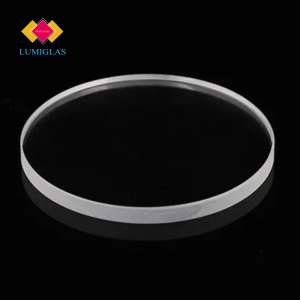
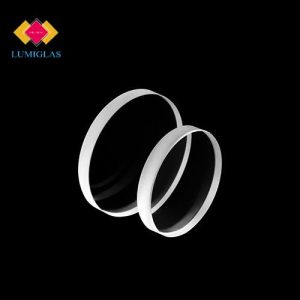
Germanium (Ge) Optical Windows & Discs
High-refractive-index germanium windows and discs for mid- to long-wave infrared systems — outstanding transmission across key MWIR/LWIR bands (commonly ~2–14 µm), very low bulk absorption at thermal-imaging wavelengths, and high refractive index for compact, high-performance lenses and detector windows.
Description
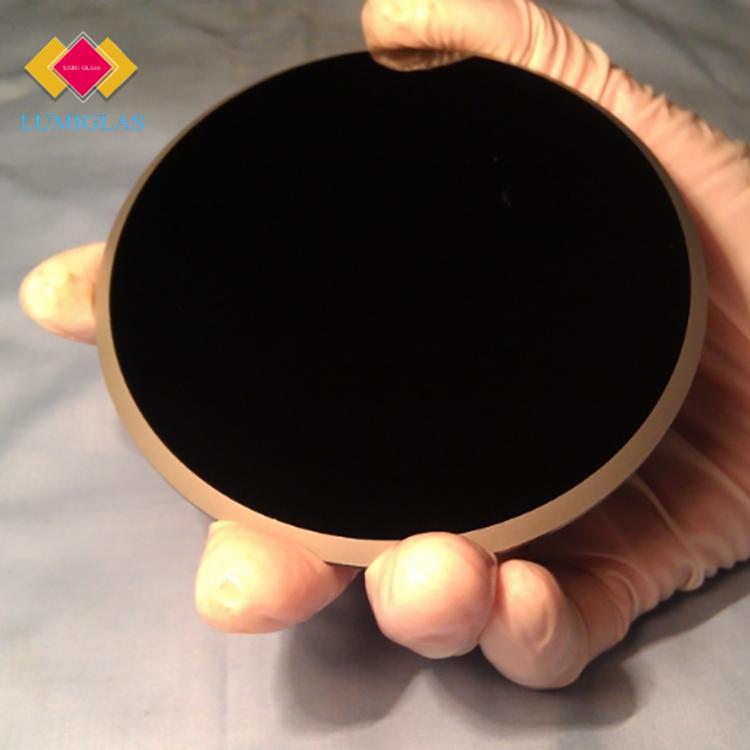
Germanium (Ge) Infrared Optical Glass — 2–14 μm Windows & Optics
Germanium is a proven IR optical material for thermal imaging and IR sensors.
First, it transmits broadly across mid- and long-wave IR (commonly ~2–14 μm).
Second, uncoated germanium typically shows ~40–50% transmittance in the 8–14 μm band.
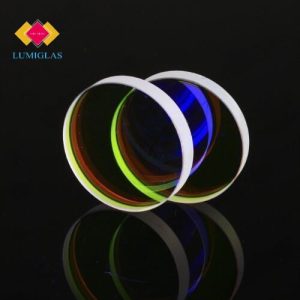
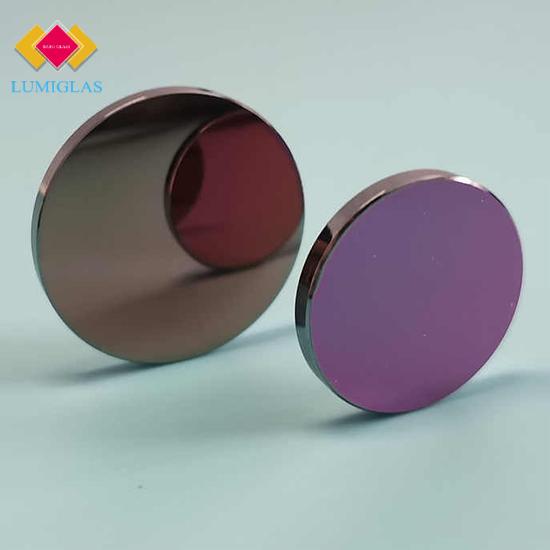
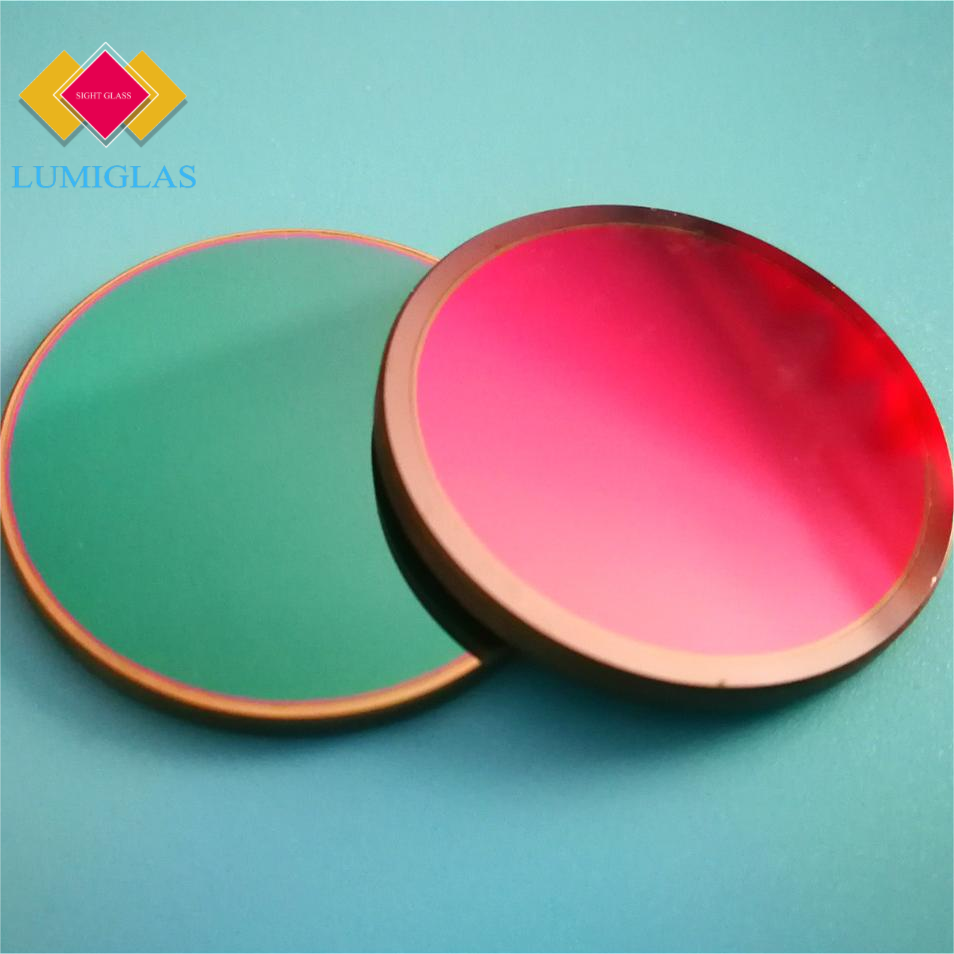
However, after anti-reflection (AR) coating, transmittance can reach ≈90%.
Additionally, many customers request a DLC (diamond-like carbon) coating to increase surface hardness and improve mechanical resistance.
Key benefits
- Broad IR throughput — excellent transmission across thermal imaging bands (2–14 μm).
- Very high refractive index (~4.0) — enables smaller, lighter lens designs with stronger optical power per surface.
- Low absorption in target bands — gives high system sensitivity and minimal self-heating.
- Coating options — AR coatings boost transmittance; DLC adds surface hardness and improves durability.
- Rugged thermal & mechanical properties — suitable for compact, high-throughput IR assemblies (observe operating limits).
Why choose germanium for IR windows?
Germanium combines high refractive index and strong IR transmission in the atmospheric windows used by thermal cameras and many spectrometers.
Therefore, it is ideal for front-end optics, detector windows and compact lens assemblies where you must balance optical power, image size and throughput.
Typical technical specifications
Applications & industries
FAQ
- 1. Is germanium suitable for thermal imaging and IR cameras?
- Yes. Germanium is a standard material for thermal imaging optics and detector windows because it transmits strongly in the 3–5 μm and 8–14 μm bands and offers a high refractive index for compact optics
- 2. What transmittance can I expect?
- Uncoated germanium typically transmits ~40–50% in the 8–14 μm band. After properly designed AR coatings, transmittance can rise to ≈90% in the target band
- 3. Do I need DLC or other coatings?
- Many customers add DLC for hardness and abrasion resistance. Meanwhile, AR coatings optimize throughput. Specify your environment and duty cycle so we can recommend the best coating stack
- 4. Can germanium handle high laser power?
- Germanium is used in laser optics, but high average power requires thermal management and laser-damage qualification. Provide wavelength, power density, and duty cycle for proper selection.