What Is a Sight Glass?
A sight glass is a transparent window, tube or viewport installed on a tank, vessel or pipeline that lets operators visually inspect the liquid, gas or process conditions inside. Sight glasses are simple in concept but mission-critical in practice: they provide immediate, local visibility for level, color, clarity, flow and phase — information operators use to make safe decisions.
In this guide we explain common sight glass types, materials, how they work, how to specify one for your process, and the maintenance checks that keep them reliable.

Common sight glass types
-
Tubular gauge glass — a vertical glass tube showing liquid level along its length; used for direct level indication.
-
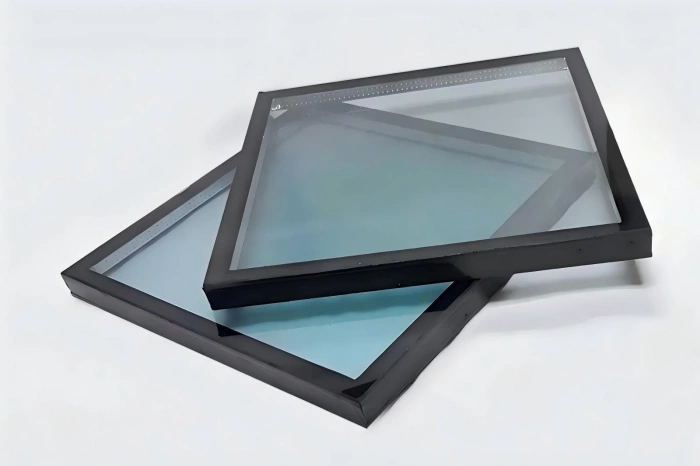
Flat/transparent sight window — a flat glass or laminate used for viewing into reactors or vessels.
-
Reflex sight glass — textured/ground glass that increases contrast between liquid and vapor for easier level reading.
-
Sapphire viewports — single-crystal sapphire discs used where abrasion, high temperature or high pressure rule out other glasses.
-
Fused glass-to-metal windows — glass permanently fused to a metal ring for a hermetic, high-integrity seal.
-
Magnetic/flap assemblies — indirect visual indication where a float moves external indicators; ideal for opaque or foaming liquids.
How a sight glass works
A sight glass either shows the fluid directly (tubular, flat, reflex) or transmits the state via a mechanical indicator (magnetic/flap). For pressurized systems the sight glass assembly includes rated unions, isolation valves and gaskets so the viewing window equals the vessel conditions without leaking. Correct operation depends on proper equalizing (for tubular gauges), rated materials, and appropriate installation.
Key materials & when to use them
-
Borosilicate (e.g., DIN7080 style): good thermal shock and chemical resistance — the common choice for many chemical and steam services.
-
Tempered / laminated glass: improved safety on breakage; useful where fragment containment matters.
-
Sapphire: for abrasive media, high temperature or very high pressure (small windows).
-
Fused glass-to-metal: for sanitary, cyclic or high-clean applications that require hermetic seals.
-
Stainless steel housings (SS304/SS316): typical body materials; choose duplex or special alloys for aggressive environments.
How to specify a sight glass
-
Process data: max operating pressure, MAWP, max/min temperature, and transients (startup/shutdown spikes).
-
Fluid properties: corrosivity (chemistry + concentration), abrasiveness, solids, foaming tendency, opacity.
-
Required viewing: full-length level vs small viewport; need for lighting or backlighting.
-
Material choices: glass type, body alloy, gasket material (PTFE, graphite, metal).
-
Mounting & flange standard: ANSI / DIN / JIS / custom — include drawing.
-
Certificates: request Material Test Certificates (MTC), hydrostatic/burst reports, and any conformity (ASME/PED/CE) required.
-
Protection: guards, laminated glass, double windows for critical services.
-
Spares & service: spare glass/gasket part numbers and lead times.
(Use this checklist in RFQs to filter vague quotes quickly.)
Installation & maintenance — short rules that prevent leaks and failures
-
Always follow the manufacturer torque pattern and values — over- or under-torque causes leaks.
-
Depressurize and lock out before servicing.
-
Inspect visually daily for clouding, crazing, or chips; replace damaged glass immediately.
-
For tubular gauges, verify equalization valves and ball-checks operate before trusting a reading.
-
Keep spare glass, gaskets and unions on-site for critical lines.
Common problems & quick troubleshooting
-
Clouding / hazing: often chemical attack or heat damage — remove from service and evaluate.
-
Leaking flanges: check torque, gasket type and installation order.
-
False reading (tubular): check for blocked equalizer lines or trapped air.
-
Scratches / abrasion: consider sapphire or fused solutions for abrasive fluids.
Practical examples
-
Boilers: use certified tubular or flanged level gauges with rated isolation valves.
-
Food & pharma: fused glass-to-metal windows for sanitary cleaning cycles.
-
Abrasive slurries: sapphire viewports or indirect magnetic indicators to avoid direct glass wear.
Need a sight glass matched to your vessel? Send pressure, temperature, medium and flange data to lumistar@188.com — our application engineers will advise stock options, materials and lead time. You can also reference our product pages:
-
Borosilicate glass: https://lumiglas.ltd/product/din7080-borosilicate-glass/
-
Level gauge glass: https://lumiglas.ltd/product/din7081-level-gauge-glass/
FAQ
Q: What is the difference between a sight glass and a level gauge?
A: A sight glass is a general viewing window; a level gauge (level gauge glass) is a device specifically engineered for accurate, continuous liquid-level indication with rated ports and often graduated markings or magnetic indicators.
Q: How often should I inspect a sight glass?
A: Critical systems: daily visual checks; full inspections during scheduled shutdowns. Less critical systems: weekly or per site maintenance schedule.
Q: Can I retrofit lighting to an existing sight glass?
A: Yes — many sight-glass assemblies support explosion-proof or sealed illumination; ensure lighting is compatible with the vessel’s hazardous-area rating if applicable.