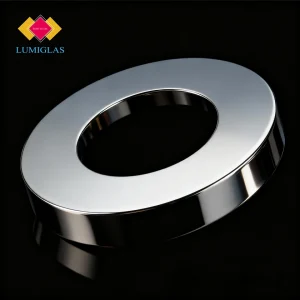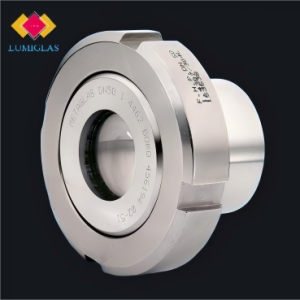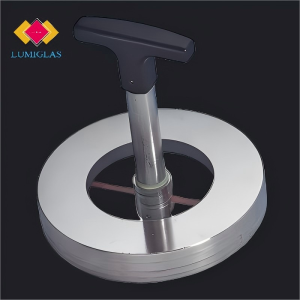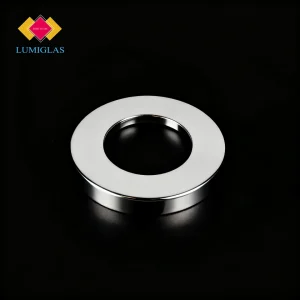
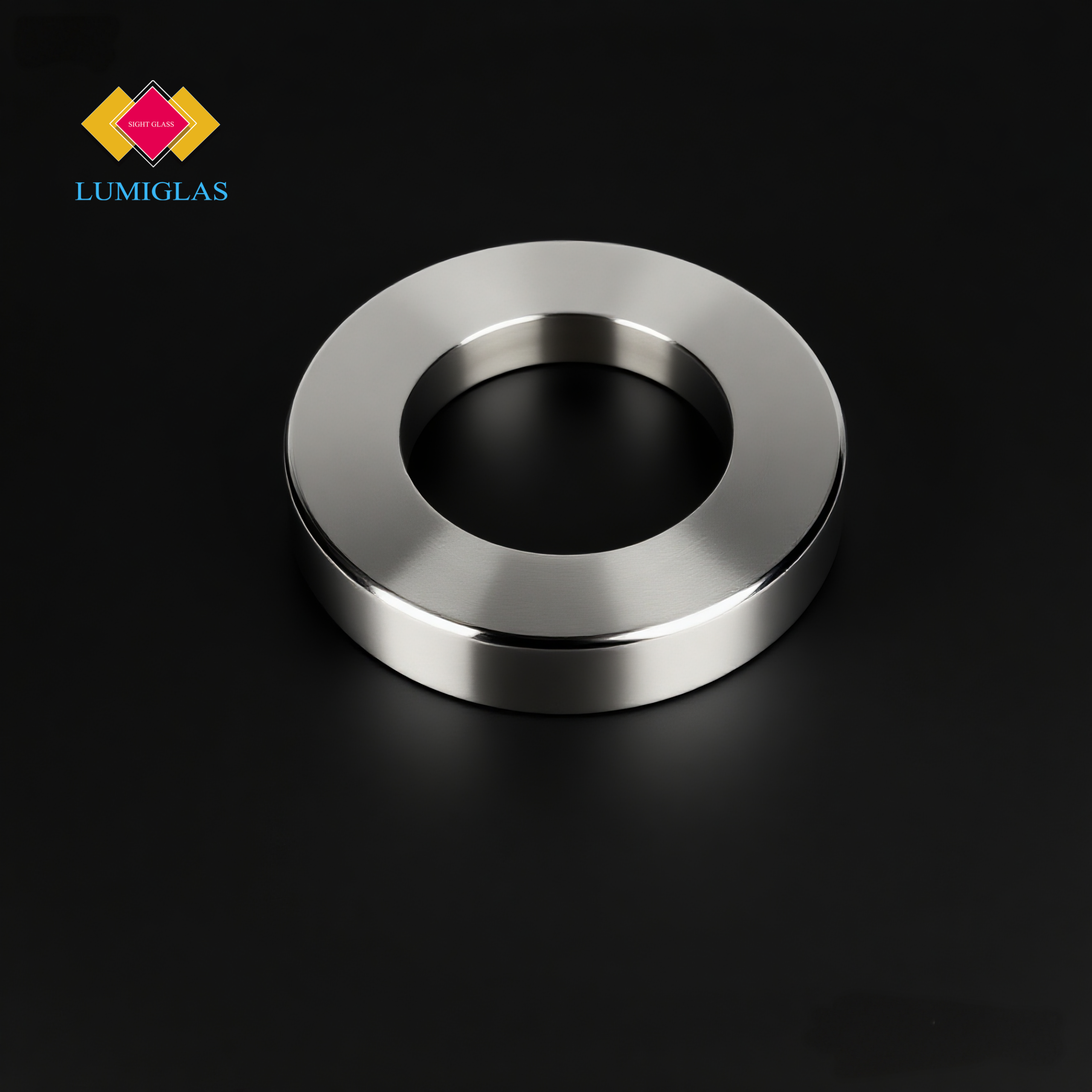
82-Type Sintered Sight Glass — Sight Port
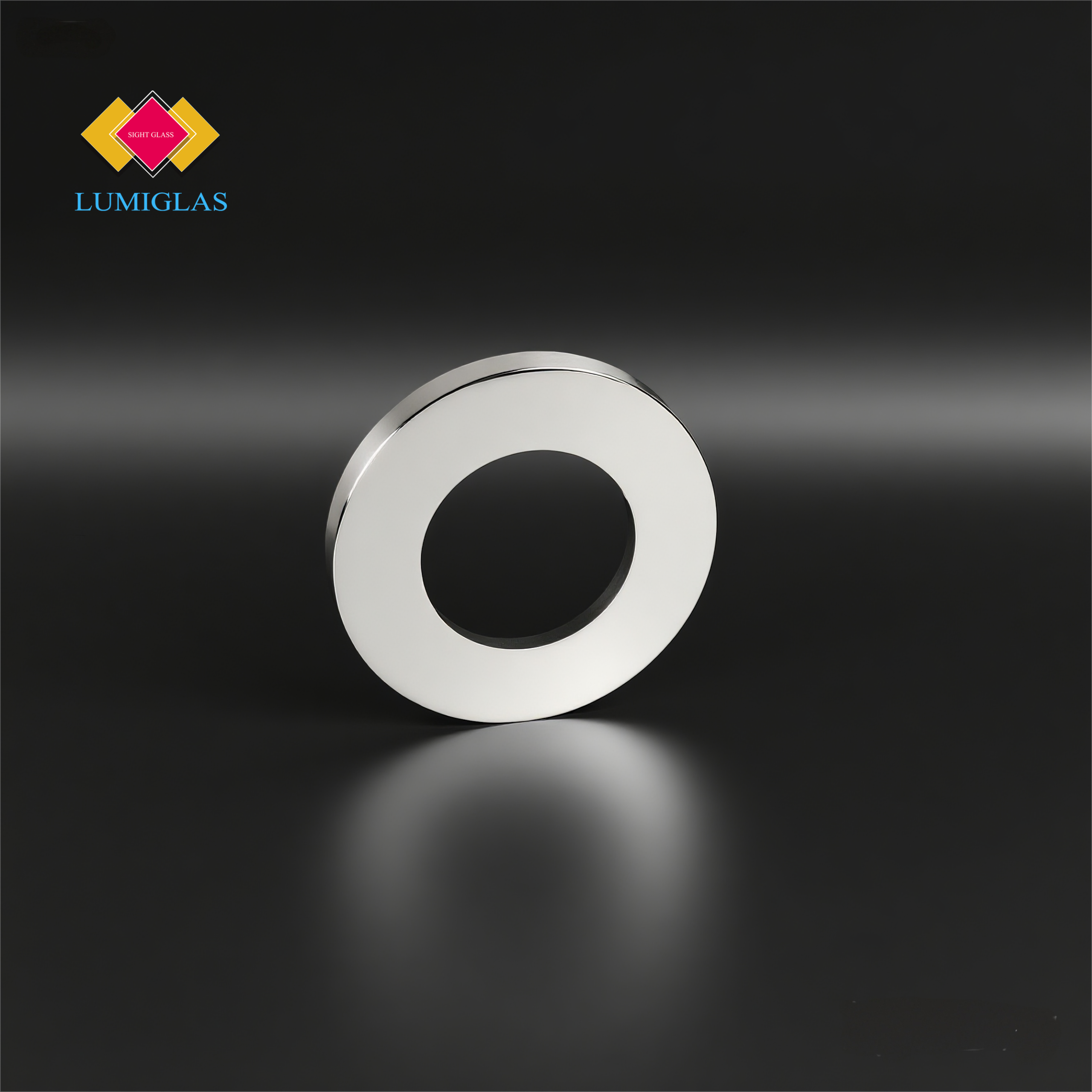
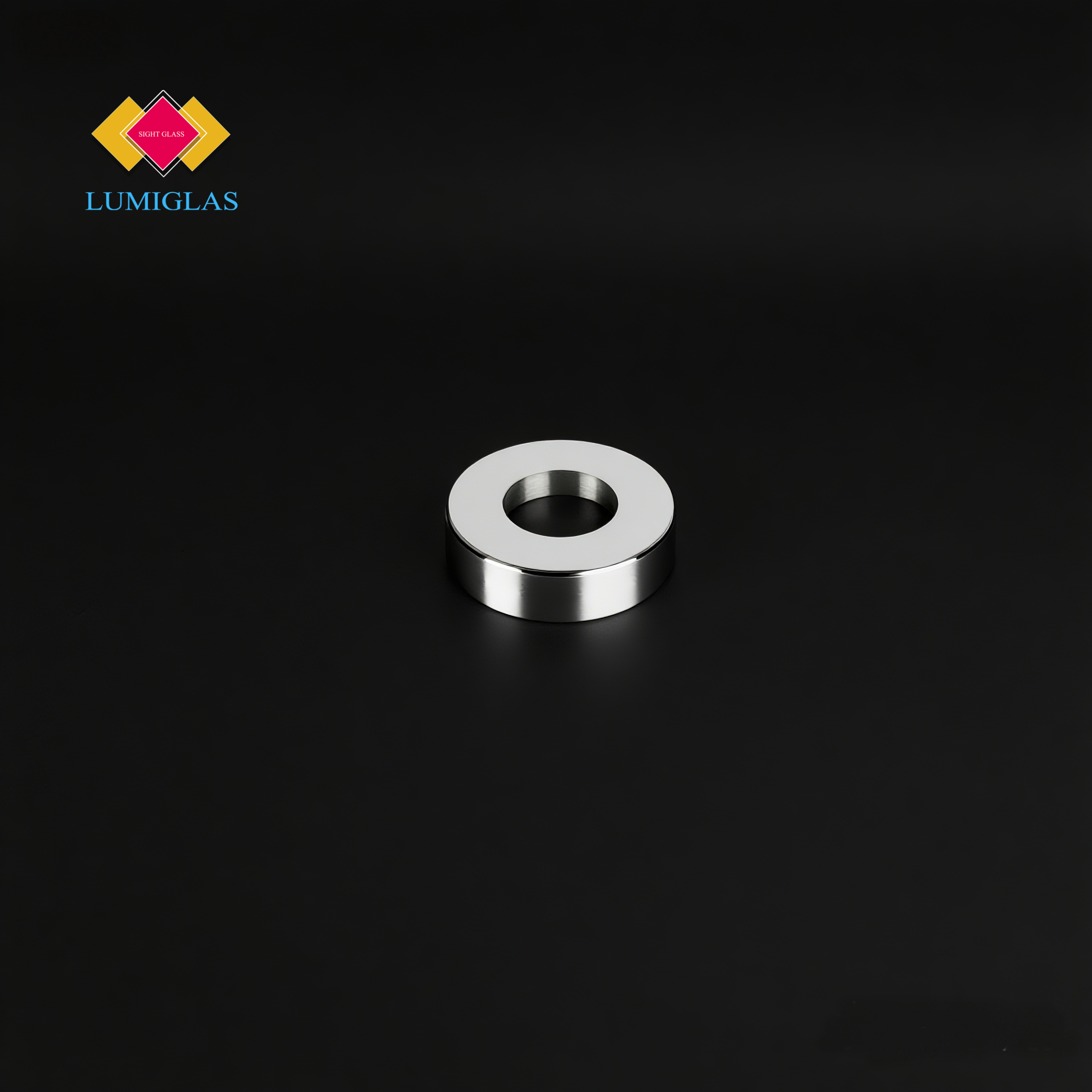
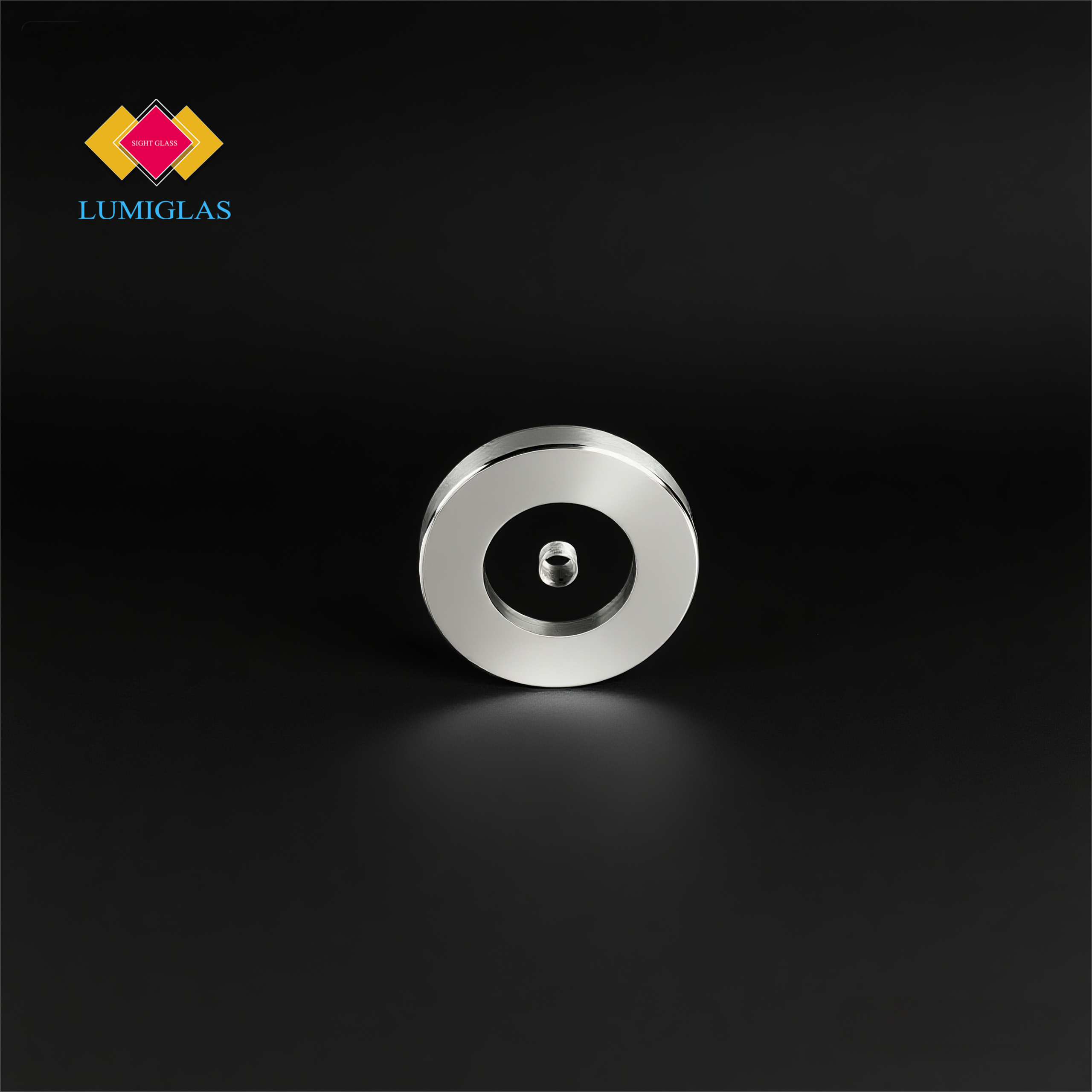
82-Type Sintered Sight Glass — a sintered-filter sight glass assembly combining a porous sintered metal/316L filter plate with a protective sight window to maintain crystal-clear visibility in particle-laden processes. Ideal for filtration lines, crystallisers and slurry pipelines where standard viewports foul quickly.
Description
The 82-Type Sintered Sight Glass integrates a sintered metal (commonly 316L stainless steel) porous plate directly behind the sight window so process solids are trapped before they reach the glass. This preserves operator visibility and reduces unscheduled stoppages caused by particulate fouling. The design fits standard sight-port fittings (screw-type, flanged or DIN-style) and is offered in sanitary and industrial variants.
Key Benefits
- Anti-fouling visibility — porous sintered plate (typical pore sizes 2–10 μm) blocks fine solids while allowing liquid to flow, keeping the viewing window clear.
- Robust stainless construction — sintered 316L (or higher alloys on request) gives corrosion resistance and mechanical durability in aggressive media.
- Reduced downtime & maintenance — traps solids upstream of the glass so operators need fewer cleaning interventions and lines run longer between shutdowns.
- Flexible mounting & hygienic options — available for screw-type fittings (DIN 11851 style), welded ports and flanged assemblies for food, pharma and chemical plants.
Why choose 82-Type sintered sight glass?
In processes with suspended solids, crystallization or sticky particulates, standard sight windows foul quickly — 82-Type sintered sight glass prevents build-up at the viewing face, enabling continuous observation and fewer shutdowns for cleaning. For sanitary sectors, the design also supports hygienic cleaning cycles without compromising visibility.
Typical Technical Specifications
| For | “Screwed sightglass fitting to DIN 11851; for use in food processing, cosmetic and pharmaceutical applications where a product or process has to be observed or controlled inside stirred vessels, tanks, dryers, columns, centrifuges, mixers, evaporators, etc.” |
|---|---|
| Advantages | “Reliability against total failure — the possibility of sudden unexpected rupture is totally excluded; Simple assembly; Long working life” |
| Operating conditions | “Temperature: -60°C to +300°C; Pressure: Up to 40 bar (Higher pressures possible)” |
| Approvals and technical data | “Manufactured and tested in conformance with: Pressure Equipment Directive 97/23/EG 02/98, Module H/H1 (DIN/EN/ISO 9001); AD2000 Standards W0/TRD 100; Factory Mutual Approval; Sight glass fused to metal conforming to DIN 7079; Borosilicate glass to DIN 7080” |
| Material certificates | Certificate of conformity to EN 10204-3.1B or 3.1A |
| Ring materials | Duplex Stainless Steel (1.4462): -30°C to +280°C Hastelloy C-22 (2.4602): -60°C to +300°C Hastelloy C-4 (2.4610): -60°C to +300°C Other materials available |

| Nominal bore DN |
d1 | d2 | S | Max. operating pressure [bar] |
|---|---|---|---|---|
| 32 | 45 | 25 | 10 | 40 |
| 40 | 50 | 25 | 10 | 40 |
| 50 | 63 | 35 | 10 | 16 |
| 65 | 80 | 45 | 10 | 10 |
| 80 | 93 | 50 | 10 | 10 |
| 100 | 113 | 60 | 15 | 16 |
| 125 | 142 | 75 | 20 | 16 |
| 150 | 166 | 80 | 20 | 16 |
Applications & industries
- Food & beverage: sugar, syrups, beer wort, and dairy sterilization lines (prevent fouling during boiling/crystallization).
- Pharmaceutical: process vessels & transfer lines requiring CIP/SIP and visual inspection.
- Chemical & fine chemicals: crystallizers, slurry pipelines and reactors with solid formation.