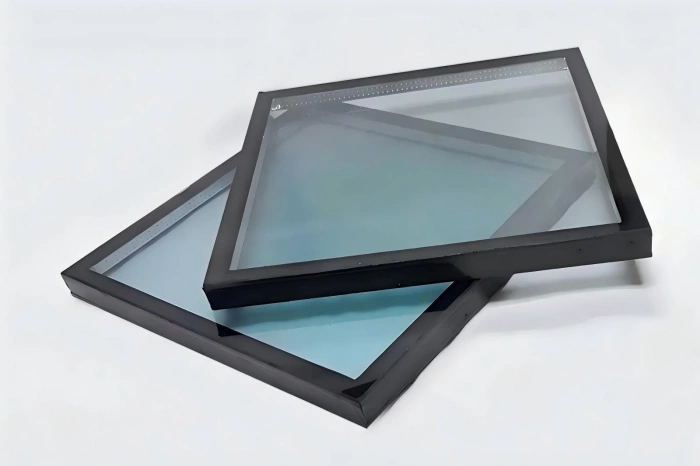
Safety sight glass with temperature resistance features
A safety sight glass must do two things at once: provide a clear, reliable view into process equipment, and survive the thermal stresses of the process. In high-temperature applications — reactors, heat exchangers, steam systems and some chemical processes — selecting sight glass with the right temperature-resistance features is essential for safety, uptime and predictable maintenance.
This guide explains the key materials, construction features and verification steps to choose a safety sight glass that will stand up to heat while remaining safe and serviceable. Use it as a checklist when you specify sight windows for hot processes.

Why temperature resistance matters for safety sight glass
-
Thermal shock: Rapid temperature changes (start-up, shut-down, steam purge) produce stress that can crack or shatter glass if it’s not rated or installed correctly.
-
Material compatibility: Elevated temperatures change chemical aggressiveness and gasket behavior — what is compatible at 25°C may degrade at 200°C+.
-
Long-term durability: Repeated thermal cycles can weaken seals, adhesives and metal-to-glass joints, increasing leak risk.
-
Safety on failure: At high temperatures, failed glass or seals can spray hot fluid — selecting proper safety features (lamination, guards, containment) reduces hazard.
Key temperature-resistant glass materials (what to consider)
-
Borosilicate glass (e.g., DIN7080 style): Good thermal shock resistance and chemical resistance for many hot applications. Widely used and economical, but check the product’s rated maximum service temperature and whether tempering/lamination is applied for safety.
-
Tempered / heat-strengthened glass: Tempering increases mechanical strength and improves resistance to thermal stress. When used in sight glass assemblies it reduces the chance of catastrophic shattering.
-
Laminated glass: Two or more glass plies bonded with an interlayer hold fragments in place on failure — useful where splash of hot media must be contained.
-
Sapphire (single-crystal): Exceptional mechanical strength, scratch resistance and thermal stability. Often selected for small viewports in very high temperature or abrasive services. More costly, requires precision mounting.
-
Specialty ceramics / fused glass-to-metal: For extreme temperatures or sanitary/high-cycle conditions, fused assemblies or ceramic windows bonded to metal can provide stable seals across wide temperature ranges.
Practical note: manufacturers rate each product for a maximum continuous operating temperature and for thermal shock resistance; always confirm the specific product rating rather than assuming from material name alone.
Construction & design features that improve temperature performance
-
Proper gasket & seal selection
-
Use gasket materials rated for the operating temperature (PTFE, Graphite, metal C-seal, or other high-temp elastomers). Elastomers that work at ambient temperatures may fail or outgas at elevated temperatures.
-
-
Thermal expansion accommodation
-
Design housings and mounting details to absorb differential expansion between metal and glass (use floating seats, soft seals, or controlled clamping). Rigid clamping without allowance for movement increases stress.
-
-
Lamination & safety interlayers
-
For processes where containment of fragments is required, laminated glass with a high-temperature interlayer keeps shards in place.
-
-
Fused glass-to-metal joints
-
Where repeated cleaning or cyclic thermal loading occurs, fused joints reduce stress concentrations compared with mechanically clamped glass.
-
-
Protective shields and cooling options
-
External metal guards, heat shields or water/air cooling jackets protect the glass and gasket from radiant heat in extreme applications.
-
-
Size and thickness optimization
-
Larger diameters are more susceptible to thermal stress; choose the smallest clear area that meets the viewing need or upgrade material (e.g., sapphire) if a large clear area is required.
-
Practical selection checklist for high-temperature sight glass
-
Confirm maximum continuous operating temperature and worst-case transients (startup/shutdown spikes).
-
Specify glass material and ask for the manufacturer’s certified temperature rating and thermal shock limits.
-
Choose gasket/seal materials rated for the stated temperature and media.
-
Specify lamination, tempered or fused construction where fragment containment or cyclic life is required.
-
Request drawings showing mounting tolerances and thermal expansion allowances.
-
Verify pressure/temperature derating tables from the supplier (glass thickness vs max temp).
-
Ask for Material Test Certificates (MTC), heat-treatment records (if tempered), and any hydrostatic/thermal cycling test reports.
-
Plan protective guards, shields or cooling methods if radiant heat or hot splash is likely.
-
Determine inspection interval and replacement schedule for high-temperature service.
Installation & maintenance — temperature-specific best practices
-
Warm-up / cool-down procedures: Avoid rapid temperature changes; follow manufacturer ramp rates during commissioning.
-
Correct torque sequence: Use the specified flange torque pattern and values — over-tightening can pre-stress glass, under-tightening risks leakage at high temp.
-
Inspect seals frequently: Gaskets and soft seals age faster at high temperature — inspect and replace per a stricter schedule.
-
Monitor for crazing or clouding: Thermal damage often shows as fine cracks or cloudiness; replace immediately if observed.
-
Document thermal events: Record any abnormal temp excursions — these inform remaining life assessments.
Common pitfalls and how to avoid them
-
Using ambient-rated seals at high temp: Always escalate gasket spec to high-temperature types when operating temperatures increase.
-
Oversizing sight windows: Larger viewports increase thermal stress; minimize size or change material.
-
Ignoring differential expansion: Design both glass and metal parts with expansion in mind — use floating mounts where appropriate.
-
Skipping supplier test data: Never install without verifying supplier temperature and thermal shock test documentation.
Quick FAQ
Q: What glass is best for very high temperatures?
A: Choice depends on diameter and view area. Sapphire and fused glass-to-metal assemblies are commonly used for very high temperatures; tempered/laminated borosilicate is widely used for moderate high-temperature services. Always confirm the manufacturer’s rated temperature for the specific part.
Q: How can I protect sight glass from radiant heat?
A: Install heat shields, reflective jackets, or cooling jackets and use protective metal guards to reduce radiant exposure to gaskets and glass.
Q: Does thermal cycling shorten sight glass life?
A: Yes. Repeated thermal cycles increase fatigue and accelerate seal degradation. Specify materials and designs rated for cyclic service, and increase inspection frequency.
Selecting a safety sight glass for high-temperature service requires attention to glass material, sealing systems, mounting design and protective measures. The safest approach is to specify to actual process temperature transients, request supplier test data, and include protective measures in the mechanical design. For help matching sight glass materials and construction to your exact temperature and media conditions, email our application engineers at lumistar@188.com with your operating temperature range, pressure and media details.
Related links: DIN7080 Sight Glass