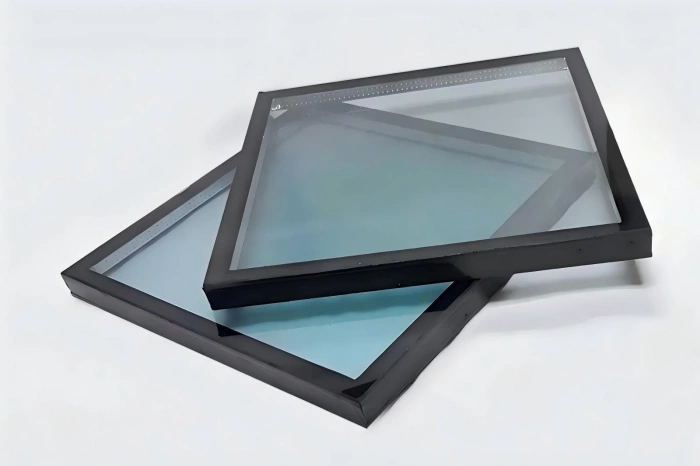
Sight Glass vs Level Gauge
TL;DR: A sight glass is a local viewing window for quick visual checks. A level gauge (or level gauge glass) is an engineered instrument for continuous, reliable level measurement and often required for safety, control, or compliance.
What you’ll learn: quick difference, a compact decision flow, copy-paste RFQ snippets, installation tips, and a short maintenance checklist.

Why this choice matters
Picking the wrong device causes three repeated problems: operator mistakes, compliance gaps, and unplanned downtime. This page gives a short, practical path to the right decision.
Quick answer
Sight glass = visual check (color, clarity, flow). Level gauge = continuous level measurement (control, alarms, records).
Quick comparison table
| Topic | Sight glass | Level gauge (level gauge glass) |
|---|---|---|
| Primary function | Visual inspection — presence, color, flow. | Continuous level indication for control, safety and inventory. |
| Forms | Flat window, bull’s-eye, small viewport. | Tubular glass, magnetic/flap, reflex, transparent scale, transmitters. |
| Accuracy | Qualitative (low). | Engineered for reliable readings; some calibrated. |
| Safety & compliance | Often simpler; may be non-pressure rated. | Typically pressure-rated; supplied with certificates where required. |
| Integration | Local visual only. | Integrates with alarms, interlocks, PLCs and remote monitoring. |
| Maintenance | Visual cleaning; occasional replace. | Functional tests; spare-parts planning; periodic verification. |
Tip: Always ask vendors for MTC and pressure/temperature test reports — ratings vary by diameter and housing design.
Fast decision flow
- Do you need continuous measurement for control or safety?
Yes → choose a level gauge. - Is the vessel pressurized, hot or hazardous?
Yes → choose a pressure-rated level gauge or certified sight window. - Is the fluid opaque, foamy or abrasive?
Opaque/foamy → magnetic/flap gauge or remote transmitter. Abrasive → sapphire viewport or indirect indicator. - Do you need remote alarms or PLC integration?
Yes → level gauge with transmitter/reed switches.
RFQ snippets
Level gauge (example)
Supply 1 × tubular level gauge (DN50), borosilicate tube, MAWP 10 bar, working temp 200°C, ANSI 150 flange, with isolation valves and ball-check shutoffs. Provide MTC, hydrostatic test report and spare glass tube.
Sight glass (example)
Supply 2 × flat sight window (150 mm), laminated borosilicate, SS316 housing, gasket PTFE, rated to 6 bar and 180°C. Include protective guard and packing list.
Key installation & design tips
- Torque matters. Follow the manufacturer torque pattern to avoid leaks or pre-stress.
- Equalize tubular gauges. Keep isolation and equalizing valves accessible; test them regularly.
- Protect the glass. Use guards, cages, or laminated construction in impact areas.
- Match gasket chemistry. Use PTFE, graphite or metal seals for hot/corrosive media.
- Require test documents. Accept equipment only with MTCs and relevant pressure/temperature tests.
Short maintenance checklist
- Daily: visual check for clouding, chips, leaks.
- Weekly: torque spot checks; verify tubular equalizer valves.
- Quarterly / shutdown: full functional test and gasket replacement as needed.
- After excursions: document event and perform root cause inspection.
Need help selecting?
Send MAWP, operating temperature, media and flange standard to lumistar@188.com or use our RFQ template at lumiglas.ltd. Our application engineers will return a short technical recommendation and stock/lead-time options.