Top-rated suppliers of pressure vessel sight glass for industrial use
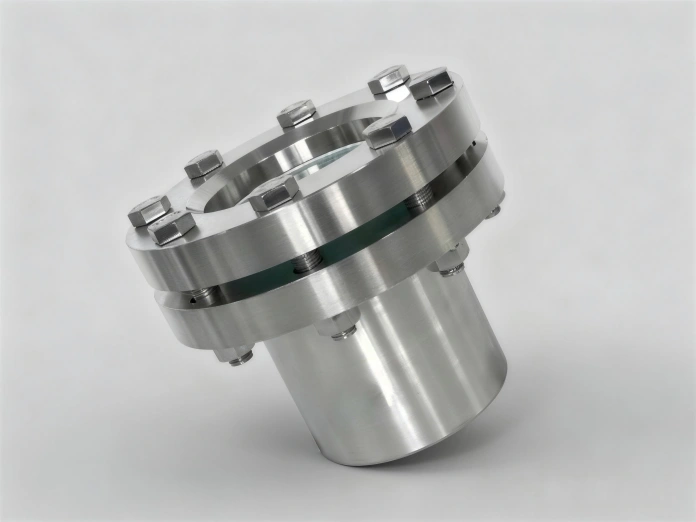
Why choosing the right pressure vessel sight glass supplier matters
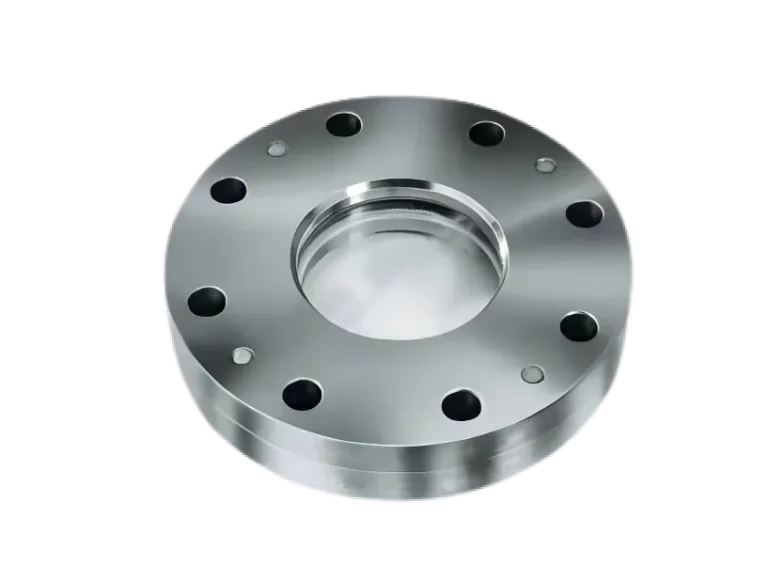
A pressure vessel sight glass is a safety- and process-critical component. A top-rated supplier ensures material traceability, correct sealing and certified test evidence so the sight glass operates safely under pressure, temperature and corrosive service. Poor suppliers can deliver visually similar parts that fail leak or pressure tests, causing costly downtime or hazards.
What “top-rated” suppliers do differently
Top-rated suppliers of pressure vessel sight glass typically demonstrate several consistent capabilities:
- Engineering & material expertise: offer borosilicate, fused silica (JGS1), sapphire and specialty ceramics and advise on the correct choice for your service.
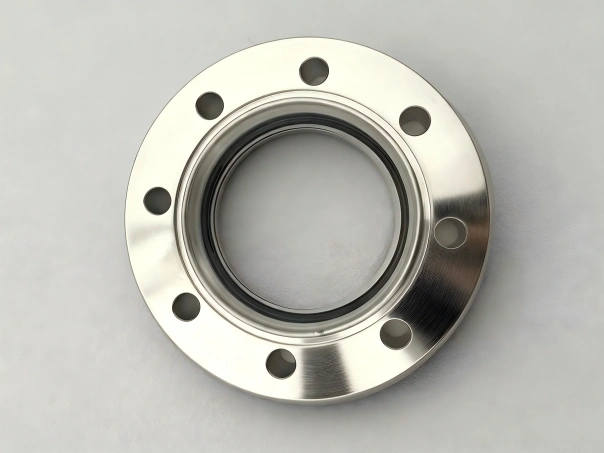
- Robust sealing options: provide brazed/fused joints, CF/metal-gasket solutions and correctly designed O-ring grooves where appropriate.
- Documented QA: supply material certificates (MTR), helium leak test or pressure test reports, and dimensional inspection records per part/lot.
- Optical finishing & coatings: AR coatings, flatness/wavefront control for camera/laser applications where needed.
- Traceability & after-sales support: serial numbers, batch trace, spares policy and responsive technical support.
- Logistics & stock: maintain common-size stock or quick-turn production and offer export/port shipping options to reduce downtime.
Types of suppliers to consider
Depending on your needs, different supplier types can be “top-rated” in their niche:
- OEM manufacturers — make sight glasses in-house; best for custom brazed/fused assemblies and full documentation.
- Specialty optics houses — ideal if you need AR coatings, extreme flatness or laser/UV transmission specs.
- Regional vacuum & process distributors — good for stocked standard sizes and fast local delivery.
- Systems integrators — supply sight-glass + assembly + certification as part of larger equipment deliveries.
How to evaluate & vet top-rated pressure vessel sight glass suppliers (practical checklist)
- Datasheets & published limits: supplier publishes max working pressure, temperature and recommended gasket torque for specific part numbers.
- Test evidence: supplier provides helium leak test or hydrostatic test reports per batch or serial number.
- Material traceability: MTRs (material certificates) matching the delivered parts.
- Optical & mechanical specs: if needed, flatness (λ/4, λ/10), scratch-dig, transmitted wavefront and edge-finish specs.
- Pre-shipment inspection: photographs and dimensional drawings provided before dispatch for critical installs.
- Warranty & spares: clear spare parts policy and reasonable warranty/repair options.
Pro tip: Always include acceptance criteria (max allowed leak rate, test method, and required paperwork) in the purchase order.
Quick comparison — supplier capabilities (decision aid)
| Capability | Why it matters | What a top-rated supplier provides |
|---|---|---|
| Material variants | Match material to pressure, temperature and chemical exposure to ensure safety and longevity. | Borosilicate, JGS1 fused silica, sapphire, aluminosilicate + clear compatibility & selection advice. |
| Sealing options | Controls leak performance, bake-out capability and usable vacuum level. | Brazed/fused joints, CF flanges, validated O-ring solutions, bolt torque specs and installation guidance. |
| Testing & documentation | Essential for audits, warranty claims and process validation. | Helium leak tests, hydrostatic tests, material test reports (MTRs), dimensional inspection reports and certificates. |
| Optical finishing | Critical when imaging, laser coupling or spectroscopy require low loss and defined wavefront. | AR coatings, certified flatness/wavefront specs, scratch/dig and surface-quality documentation. |
| Availability & logistics | Reduces downtime — lead time and shipping reliability matter for operations and spares planning. | Stocked common sizes, fast-port shipping options, local distributor partners and clear lead-time SLAs. |
RFQ checklist — copy & paste into vendor emails
Subject: RFQ — pressure vessel sight glass, Ø[mm], material [borosilicate / JGS1 / sapphire], flange [type]

1) Visible aperture: Ø ___ mm
2) Plate thickness: ___ mm
3) Material: borosilicate / fused silica (JGS1) / sapphire / aluminosilicate
4) Sealing: brazed (glass-to-metal) / CF (metal gasket) / O-ring (specify elastomer)
5) Service: max temp ___ °C; pressure ___ bar; media / chemicals ___
6) Required tests & documents: helium leak test report (method & result), material certificates (MTR), dimensional drawing, pre-shipment photos
7) Optical: AR coating, flatness λ/4 or λ/10, scratch-dig if applicable
8) Packaging & shipping: clean packaging, nitrogen purge option, nearest export port
9) Lead time, EXW/FOB price, spare availability and warranty
How to find genuine top-rated suppliers
Use a combined approach:
- Search for technical datasheets and PDF catalogues (not just product images).
- Check supplier case studies and installations in your industry (power, petrochemical, pharmaceutical).
- Request sample test reports and MTRs for review before purchase.
- Ask for local references or installations nearby and contact end-users.
- Prefer suppliers who publish QA processes and test methods (e.g., helium mass spectrometry details).
Why consider Lumiglas for pressure vessel sight glass
Lumiglas combines manufacturing capability with QA & logistics advantages that many buyers require:
- In-house brazing and fused joint expertise for low-outgassing, high-bake assemblies.
- Materials: borosilicate, deep-UV fused silica (JGS1) and optical sapphire — matched to your service conditions.
- Helium leak testing, material certificates, dimensional inspection and pre-shipment photos available per order.
- Stocked common sizes for quick replacement and port-optimized shipping to reduce downtime.
- Technical support to help match sight glass configuration to pressure vessel flange and gasket systems.
Send flange photos and service conditions to lumistar@188.com for a free specification review and stock-check.
Conclusion — buy performance, not just a picture
When buying a pressure vessel sight glass, the supplier’s engineering capability, test evidence and logistics are more important than a low price. Top-rated suppliers combine certified manufacturing, clear documentation and fast spares availability. Use the RFQ checklist above, require test certificates, and vet suppliers by evidence — and if you want a fast spec review or certified stock options, Lumiglas can help.