Operating a chemical plant in Southeast Asia presents a highly unique set of engineering challenges. Specifically, facilities in major hubs like Singapore’s Jurong Island or Malaysia’s Pengerang Industrial Complex must handle aggressive internal process fluids while battling an unforgiving external tropical climate. Consequently, specifying equipment for sight glass chemical processing applications requires a highly specialized approach.
Indeed, a standard industrial viewing window may degrade rapidly under these harsh conditions. Therefore, procurement managers and plant engineers must strictly focus on selecting a genuine chemical resistant sight glass. In this technical guide, we will explore the critical factors for choosing sight glasses tailored specifically for the Southeast Asian chemical manufacturing sector.
1. The Dual Challenge of SEA Chemical Processing
Chemical processing in the ASEAN region demands incredibly robust hardware. Firstly, the internal process frequently involves highly corrosive media such as concentrated acids, caustic alkalis, and volatile organic compounds (VOCs). Meanwhile, the external environment introduces high ambient temperatures, extreme humidity, and saline coastal air.
Ultimately, if a sight glass fails to resist both internal chemical attack and external atmospheric corrosion, it quickly becomes a severe safety hazard. Thus, prioritizing a dual-resistant design is absolutely non-negotiable for overall plant safety.
2. Selecting a Chemical Resistant Sight Glass
The heart of any visual indicator is the glass disc itself. Importantly, selecting the correct material prevents premature clouding, etching, or catastrophic fracture under high pressure.
Borosilicate Glass for Acidic Service
Generally, thermally toughened Borosilicate Glass 3.3 is the industry gold standard for acidic environments. Because it offers exceptional hydrolytic and acid resistance, it performs flawlessly in most petrochemical reactions. Furthermore, specifying DIN 7080 Sight Glass Discs ensures maximum thermal stability up to 280°C.
Mica Shields for Alkaline (High pH) Service
However, standard borosilicate glass dissolves rapidly when exposed to hot, concentrated alkalis (like Sodium Hydroxide). To combat this specific issue, engineers in caustic processing plants must specify a mica-protected sight glass. Consequently, this thin layer of mica effectively shields the glass substrate from aggressive high pH chemical attacks.
3. External Flange Protection for Tropical Climates
While the glass handles the process fluid, the metal flange must endure the Southeast Asian marine climate. Historically, standard carbon steel flanges suffer rapid rusting in coastal industrial zones like Singapore.
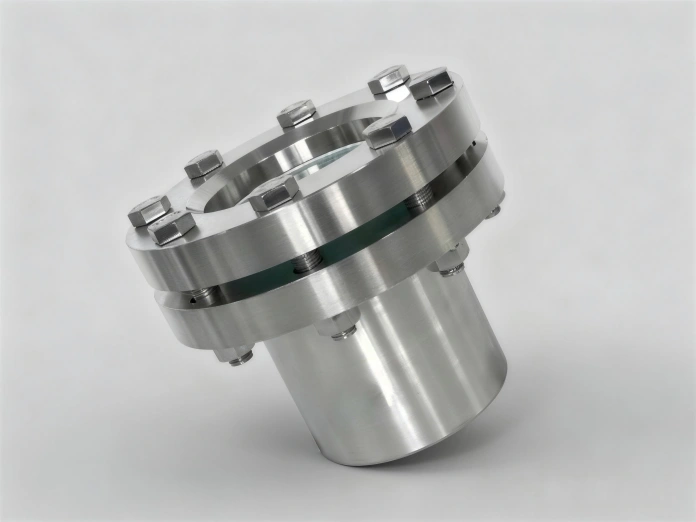
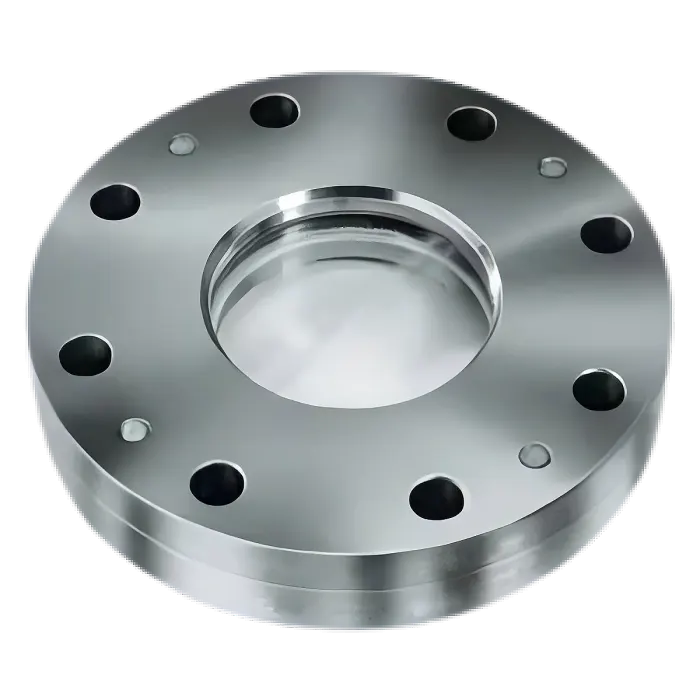
Therefore, we strongly recommend Stainless Steel 316L (1.4404) or 316Ti (1.4571) for the base and cover flanges. Additionally, utilizing a complete DIN 28120 Vessel Sight Glass assembly provides a permanent, weld-on solution that completely eliminates flange face leakage.
4. Meeting Singapore’s Strict Safety Standards
Global chemical operators in SEA usually adhere to strict European or ASME safety standards. Notably, standardizing your plant’s visual indicators streamlines maintenance and ensures total compliance.
Moreover, Lumiglas provides EN 10204-3.1 material certificates with all pressure-rated components. As a result, you can effortlessly fulfill the strict documentation requirements of major refineries and chemical parks across the region.
5. Frequently Asked Questions
Upgrade Your Plant’s Visual Safety
Equip your facility with genuine chemical resistant sight glasses engineered for harsh tropical conditions.